
Kurosengoku Soybean and Kurosengoku Business Cooperative (Hokuryu Town, Hokkaido)
|
Kurosengoku Business Cooperative Association
|
||
|---|---|---|
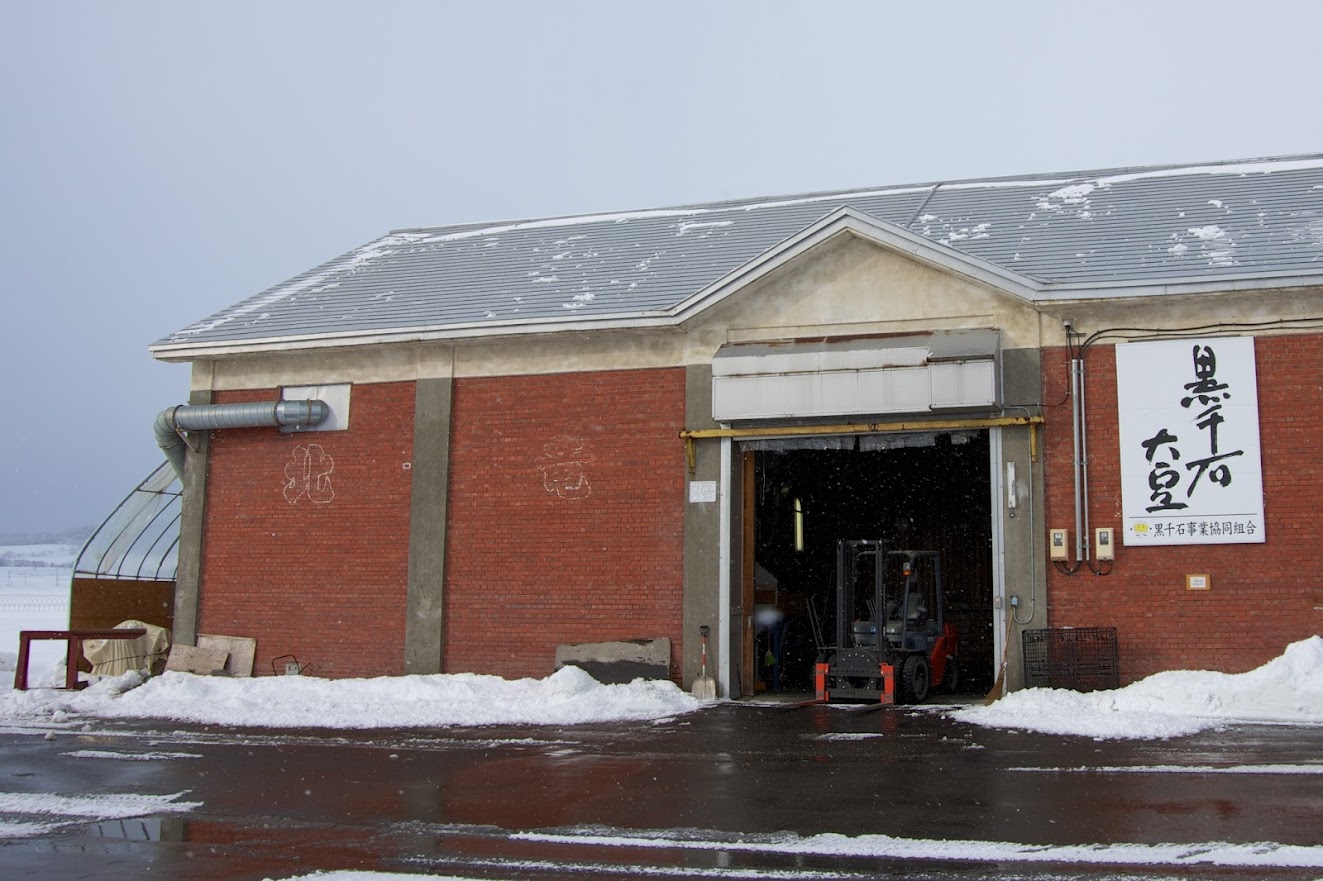 |
31-1 Hekisui, Hokuryu-cho, Uryu-gun, Hokkaido 078-2503
▶ Tel:0164-34-2377Fax:0164-34-2388
|
 |

- 1 Organization Overview What is Kurosengoku Soybean? Chairman's Message Producers History Related Articles Links
- 2 About Kurosengoku Soybeans Organization Overview Message from the Chairman Producers History Related Articles Links
- 3 Chairman's speech Organization overview What is Kurosengoku soybean? Producers History Related articles Links
- 3.1.1 Kurosengoku is a native Hokkaido species
- 3.1.2 The revival of the nostalgic "kinako beans"
- 3.1.3 Agricultural researcher Jun Tanaka successfully germinates 28 seeds of Kurosengoku rice
- 3.1.4 Kurosengoku cultivation begins in Iwate Prefecture
- 3.1.5 Small ridge sowing cultivation method: Yields stagnated
- 3.1.6 Guidance from Mr. Joji Arihara, Director of the Kanto-Tokai Research Department at the National Agricultural Research Center
- 3.1.7 Kurosengoku's return to Hokkaido
- 3.1.8 Kurosengoku cultivation begins
- 3.1.9 Under the guidance of Professor Jun Tanaka, Kurosengoku cultivation began. It was a series of surprises!
- 3.1.10 First harvest and introduction of sorting equipment
- 3.1.11 Kurosengoku Business Cooperative Association established
- 3.1.12 The peak of Kurosenkoku
- 3.1.13 Bankruptcy of middlemen
- 3.1.14 Kurosengoku buried in snow
- 3.1.15 I can't even choose death
- 3.1.16 The sincerity of the producers who saved us from a difficult situation and continued to watch over us patiently
- 3.1.17 The God of Salvation appears
- 3.1.18 The sincerity of the people who watched over and supported Kurosengoku
- 3.1.19 Kurosengoku attracts attention
- 3.1.20 Kurosengoku to be commercialized
- 3.1.21 Awards
- 3.1.22 Introducing "Kurosengoku Sprouted Natto"!
- 3.1.23 Kurosengoku soybeans celebrate their 10th anniversary of cultivation, protecting the health of Japanese people
- 3.1.24 "Kurosengoku soybeans" store name
- 4 Kurosengoku recipes from Hokuryu town residents
- 5 Producers and Executives Organization Overview What is Kurosengoku Soybean? Chairman's Message History Related Articles Links
- 6 History Organization Overview What is Kurosengoku soybean? Chairman's speech Producers Related articles Links
- 7 Related Articles Organization Overview What is Kurosengoku Soybean? Chairman's Message Producers History Links
- 8 Links Organization Overview What is Kurosengoku Soybean? Chairman's Message Producers History Related Articles
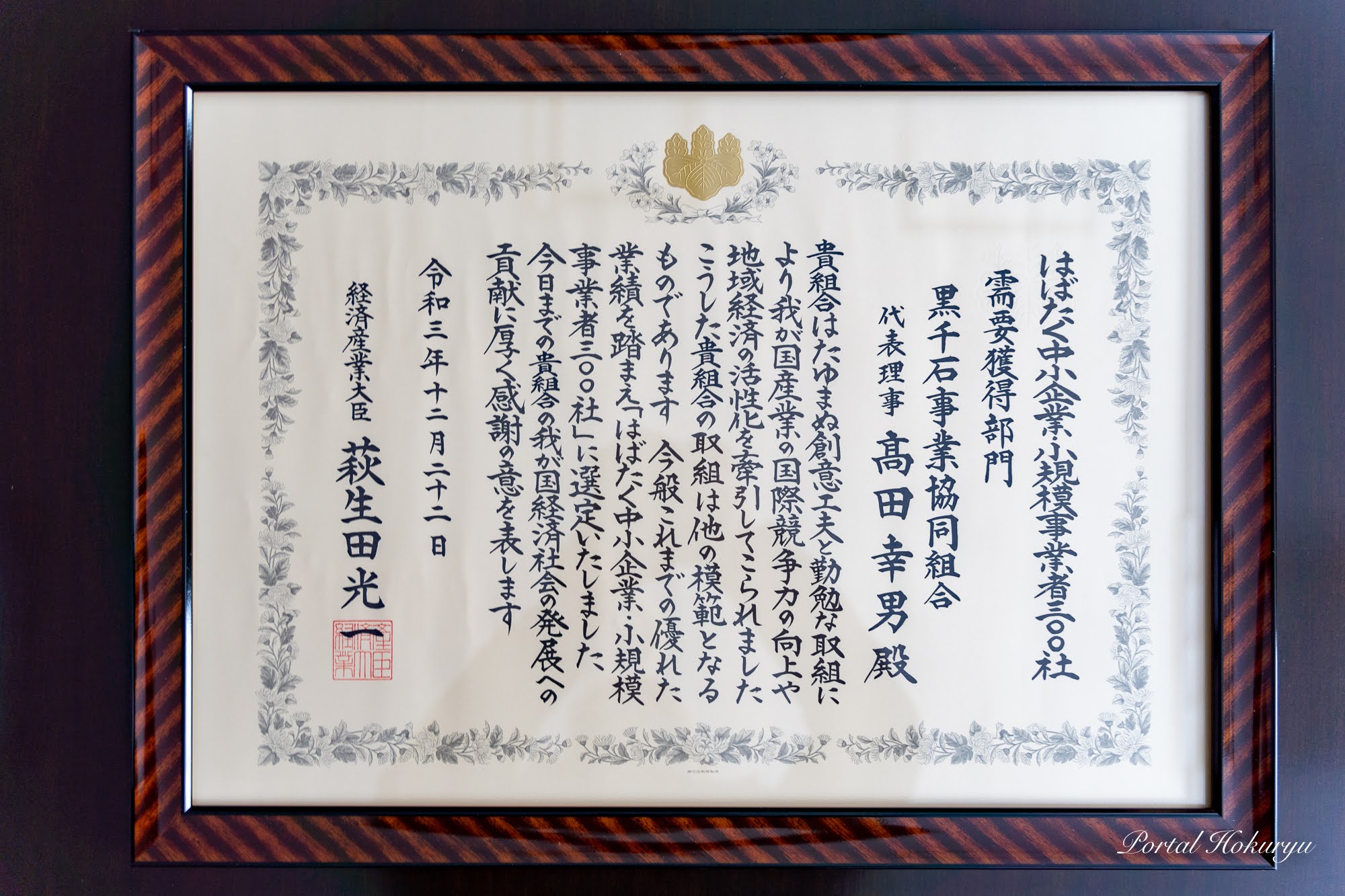
Thank you!Selected as one of the Small and Medium Enterprise Agency's "300 Emerging Small and Medium Enterprises" for 2021

Thank you!Selected as the 5th Discover Rural Treasure in 2018

Organization overview What are Kurosengoku soybeans? Chairman's speech Producer History Related articles Useful Links
| name | Kurosengoku Business Cooperative Association |
| location | 〒078-2503 Hokkaido Uryu District Hokuryu Town Aza Hekisui 31-1 (map) |
| contact address | Tel:0164-34-2377Fax:0164-34-2388 mail:info★kurosengoku.or.jp(Please replace ★ with a half-width @ when using this address.) |
| Incorporation | March 5, 2007 (Heisei 19) |
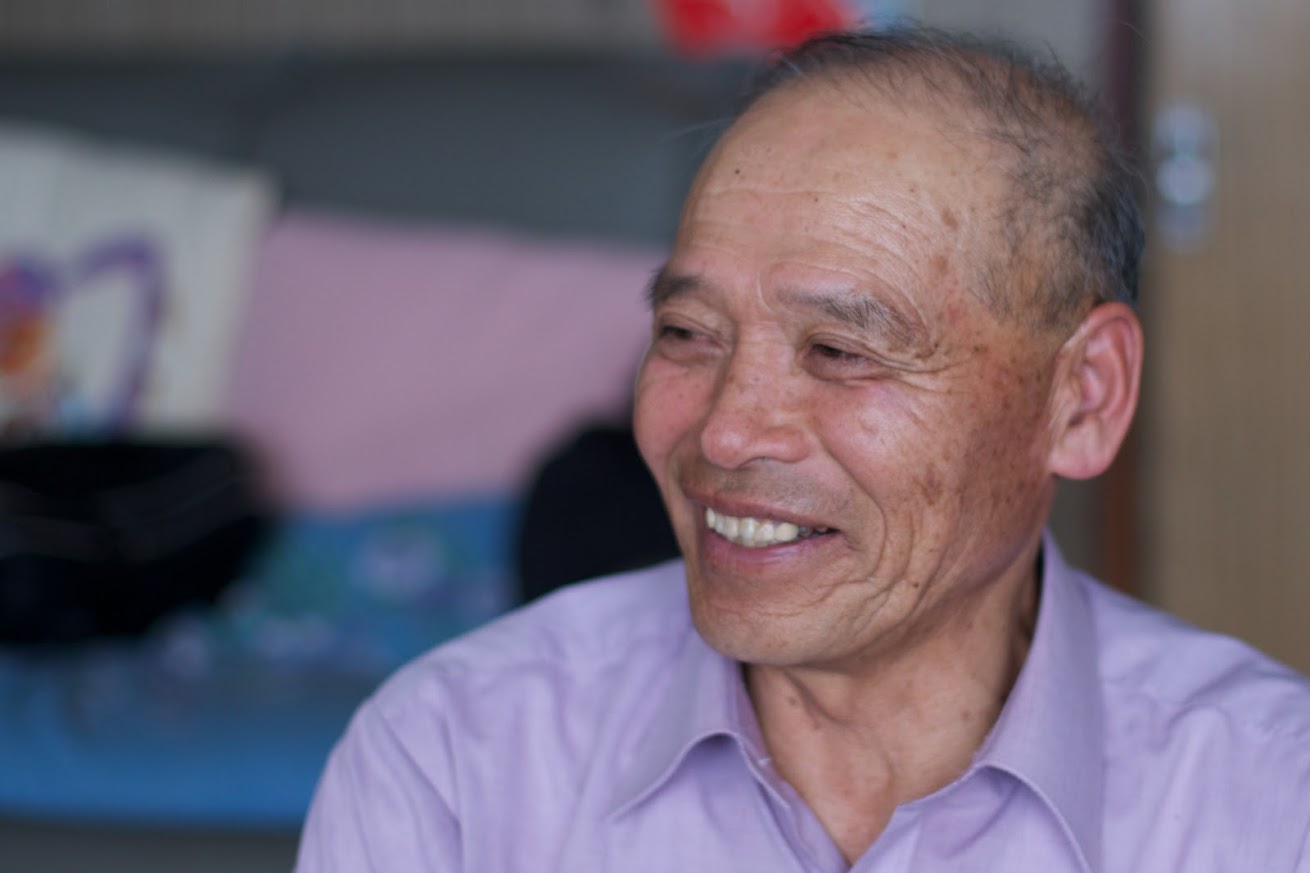
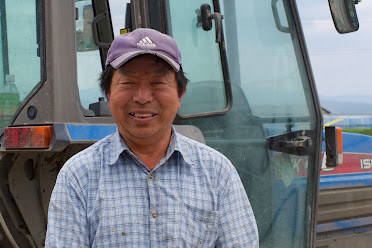
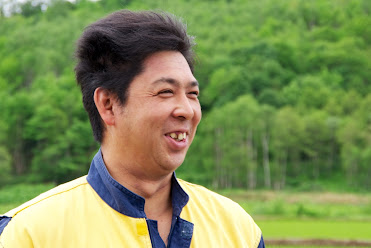
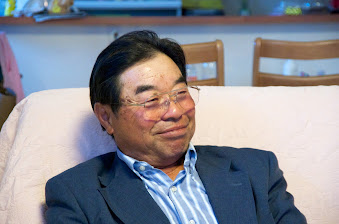
| board member |  ・Chairman: Yukio Takada (general manager) ・Chairman: Yukio Takada (general manager)・Executive Director: Masaaki Tsuji (accounting officer) ・Directors: Kazuo Kimura, Hiroki Matsumoto, Osamu Yoshida, Koki Takada ・Auditors: Katsuhiro Nagai, Toru Kawada (2020 and 2021) Staff: 4 |
| Production area | Hokuryu, Shibetsu, Iwamizawa, Shintotsukawa, Takikawa, Oiwake, Biei/Kami-furano, Imakane (FY2021, 9 districts) |
| business | ・Joint processing, joint sales, and joint storage of agricultural products handled by members ・Business-related research and studies - Providing education and information to improve management and technology or to disseminate knowledge about the association's business ・Projects related to the welfare of union members, etc. |
| facility | ・Soybean preparation facility and warehouse: Hekisui, Hokuryu Town ・Rice milling factory/Rice milling machine: Hokuryu-cho Hekisui |
| public relations· Information dissemination |
・Kurosengoku Business Cooperative Association Online Shop |
Trends in number of producers, area, and harvest volume


From left: Changes in the number of producers, changes in cultivated area


(Hosted by the Hokkaido Agricultural Administration Office, Sapporo City)(March 18, 2019)
What are Kurosengoku soybeans? Organization overview Chairman's speech Producer History Related articles Useful Links

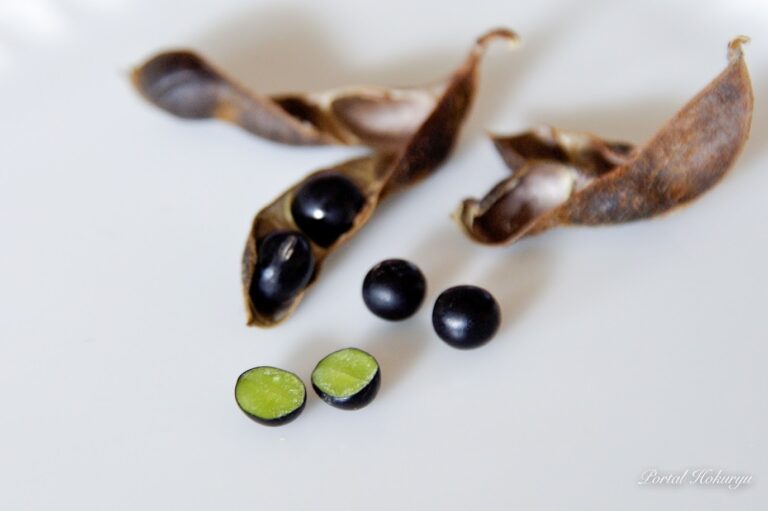
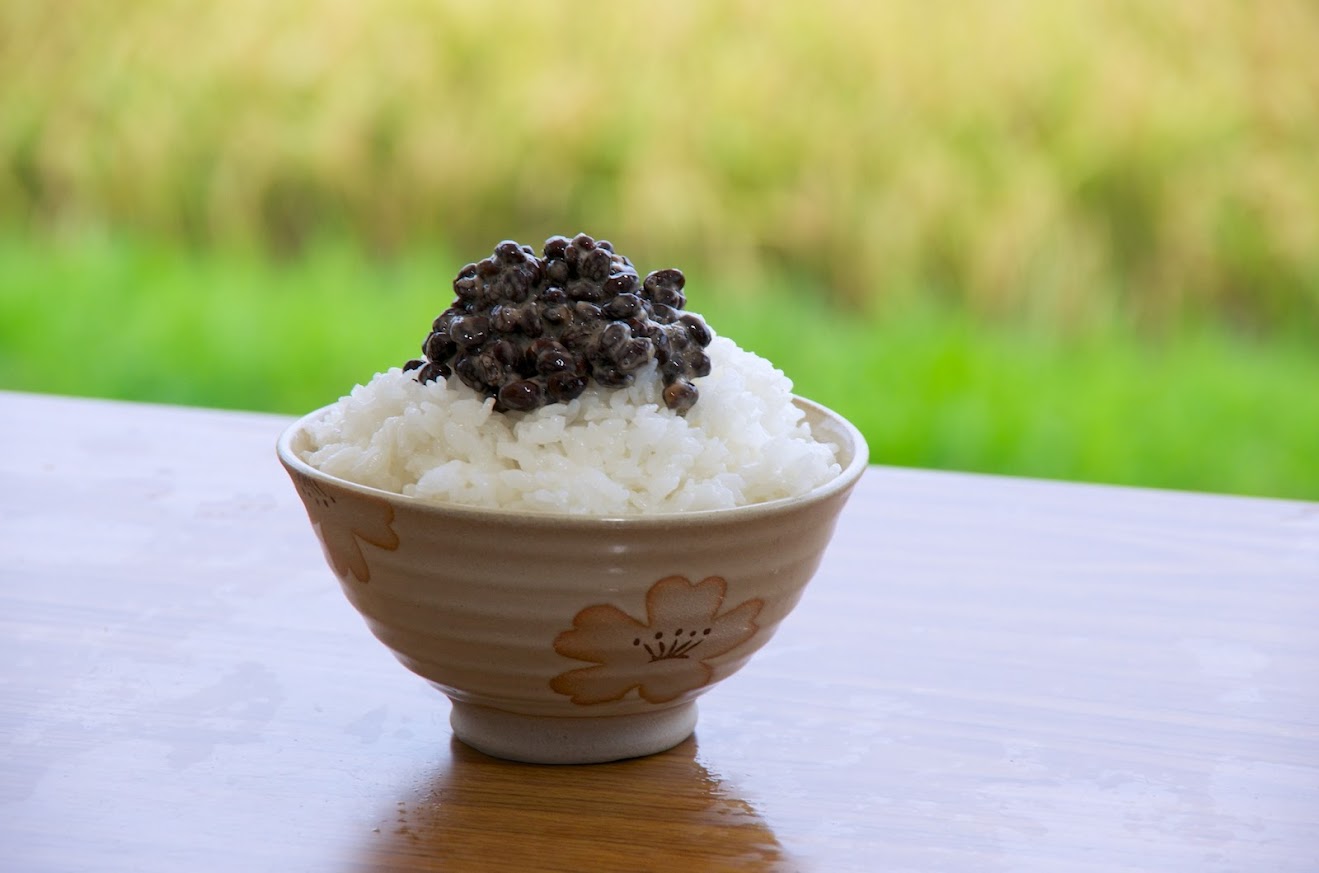
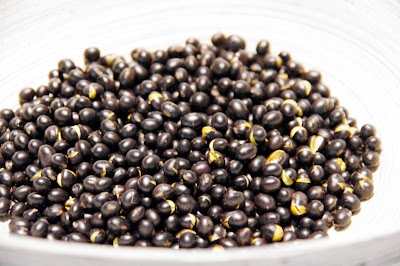
Kurosengoku is a very small soybean with a shiny black seed coat and green cotyledons (the kernels after the seed coat is removed).
It has more leaves than regular soybeans, requires more sunlight, and is easily affected by the weather, making it difficult to cultivate.
(Kurosengoku beans have a high cumulative temperature, calculated by adding up the daily temperatures from planting the seeds until the fruit ripens. While regular beans have a temperature of 2,300 degrees, Kurosengoku beans have a temperature of 2,700 degrees.)
Kurosengoku, the original Hokkaido variety, ceased to be cultivated after the 1970s (Showa 45), and was called the phantom Kurosengoku.
In 2001, Jun Tanaka, an agricultural researcher from Morimachi, Kayabe District, Hokkaido, discovered the original seeds of Kurosengoku, carefully selected about 50 seeds from them, and successfully germinated 28 of them.
Kurosengoku was then moved to Iwate Prefecture and cultivated under the guidance of world-renowned bean researcher Joji Arihara (Director of the Kanto Tokai Research Department at the National Agriculture and Food Research Center in 2014), but in 2004 (Heisei 16), it returned to its hometown of Hokkaido.
In 2005 (Heisei 17), Kurosengoku cultivation began in 24 households in Hokuryu Town, Takikawa City, and Otobe Town.
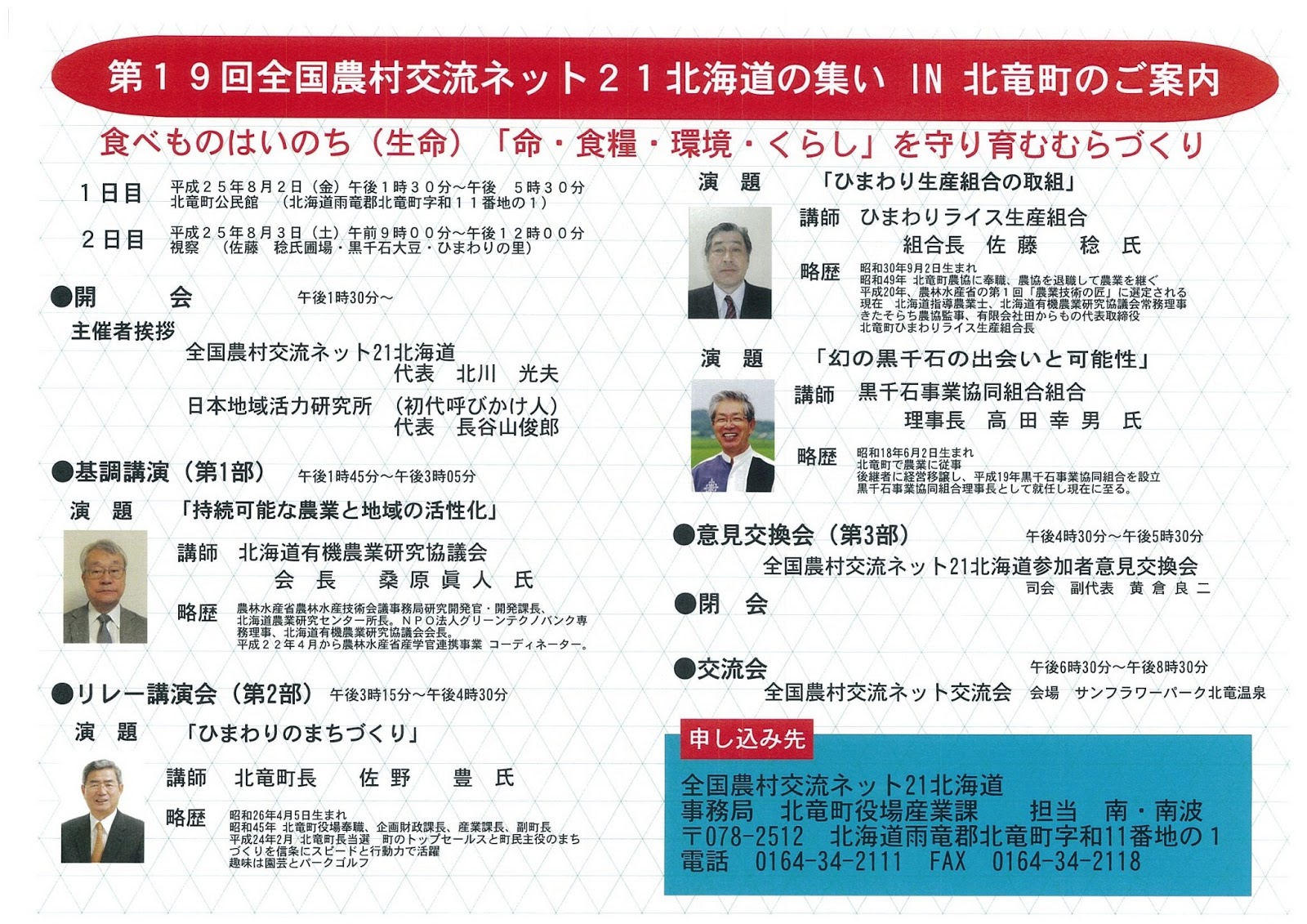
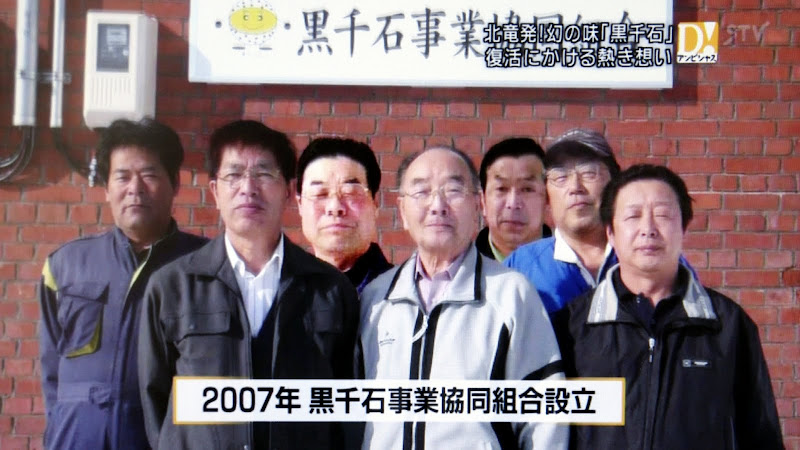
In 2007 (Heisei 19), the Kurosengoku Business Cooperative was established in Hokuryu Town.
The nutritional value of Kurosengoku was highly praised, and it was featured in the media and magazines, becoming a hot topic.
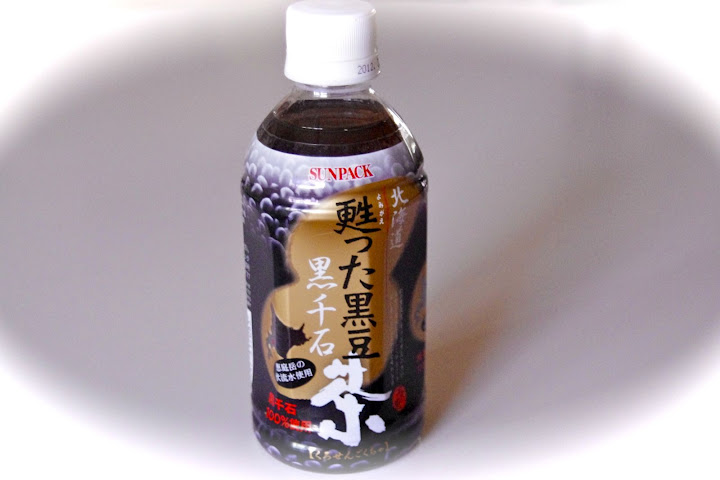
The company continues to develop new processed products, including the baked goods "Maboroshi no Kurosengoku Florentine," a collaboration with the Western confectionery shop "Kinotoya," the "Kurosengoku Amananato" from Eitaro Sohonpo in Tokyo, which is sold at the Isetan Shinjuku store, and the sale of Nichirosan Pack's bottled tea "Kurosengoku Tea."
In 2013 (Heisei 25), the company was selected for Sapporo City's sixth industry revitalization promotion subsidy project, and in 2014 (Heisei 26), in partnership with natto specialist company "Mamezou," "Kurosengoku Sprouted Natto" was born.
The legendary Kurosengoku has now been reborn as the "ideal healthy bean" and continues to evolve and advance every day.
Chairman's speech Organization overview What are Kurosengoku soybeans? Producer History Related articles Useful Links
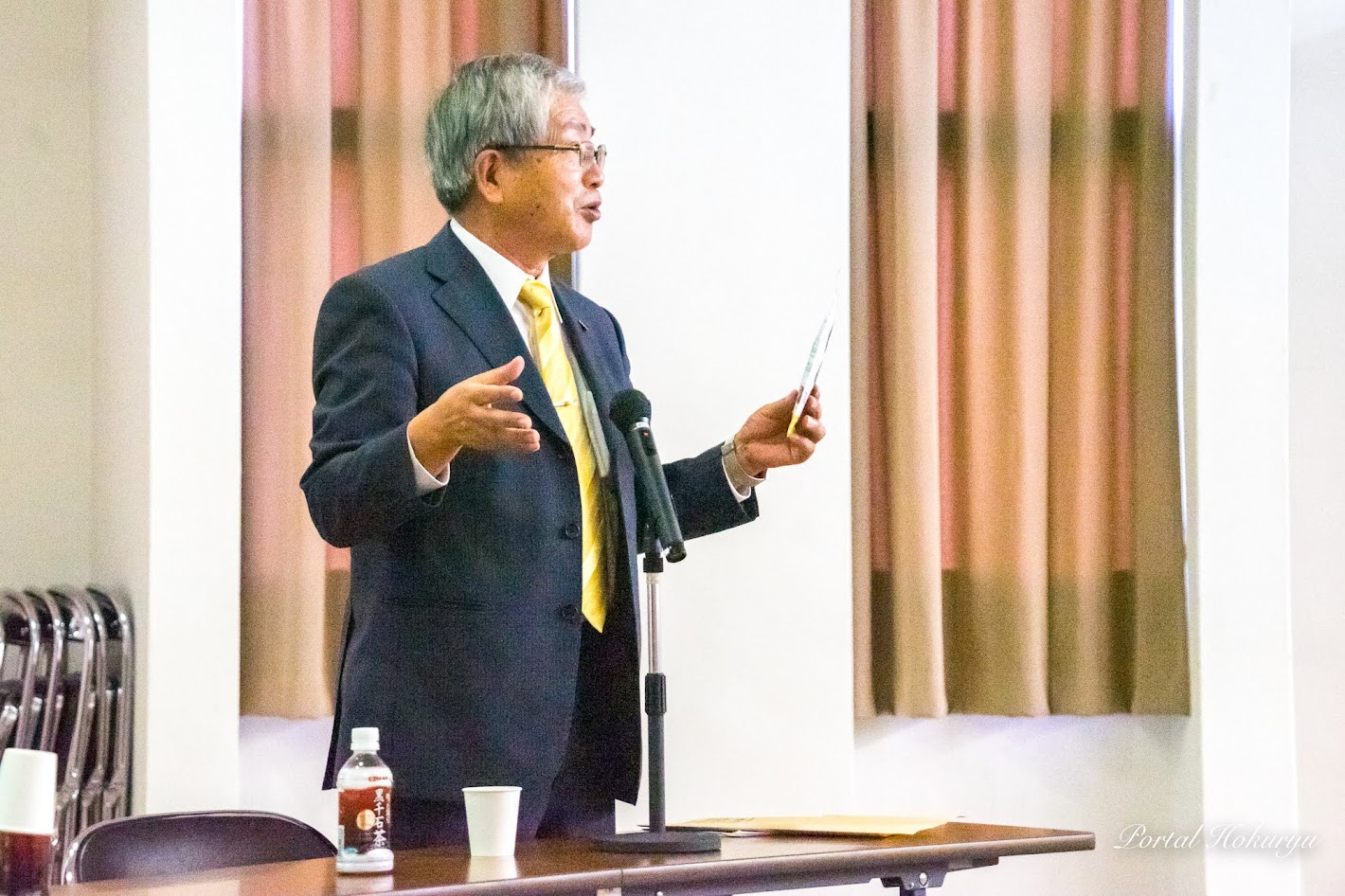
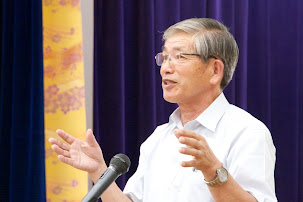
We spoke with Chairman Yukio Takada (71 years old) about Kurosengoku soybeans (April 2014).

Kurosengoku is a native Hokkaido species
Kurosengoku is originally a native species of Hokkaido, and was cultivated in the past as feed for military horses and as a green manure crop.Until recently, the temperature in Hokkaido was so low that some Kurosengoku pods did not bear fruit.
However, since the pods of Kurosenkoku also contain a lot of nutrients, even the non-fruitful pods were given as feed to horses.
The extremely small Kurosengoku soybeans have a high cumulative temperature (the sum of the average daily temperatures from sowing to maturity) and require more sunlight than regular soybeans, making them labor-intensive to cultivate and susceptible to weather. Due to the difficulty of cultivation, cultivation of these soybeans has been discontinued since the 1970s.
The revival of the nostalgic "kinako beans"
◎Autumn 1994 (Heisei 6)
The Kurosengoku Business Cooperative received an inquiry from a major natto manufacturer asking, "Are there any extremely small black soybeans in Hokkaido?"
When former Chairman Murai hears about "tiny black beans," he is reminded of the "kinako beans" he ate as a child.
Those small black beans that my grandmother used to roast in a frying pan and grind into kinako in a mortar!
The fragrant aroma of soybean flour from childhood is brought back to life, and thus begins the journey to revive Kurosengoku.
Agricultural researcher Jun Tanaka successfully germinates 28 seeds of Kurosengoku rice
◎ 2001 (Heisei 13)
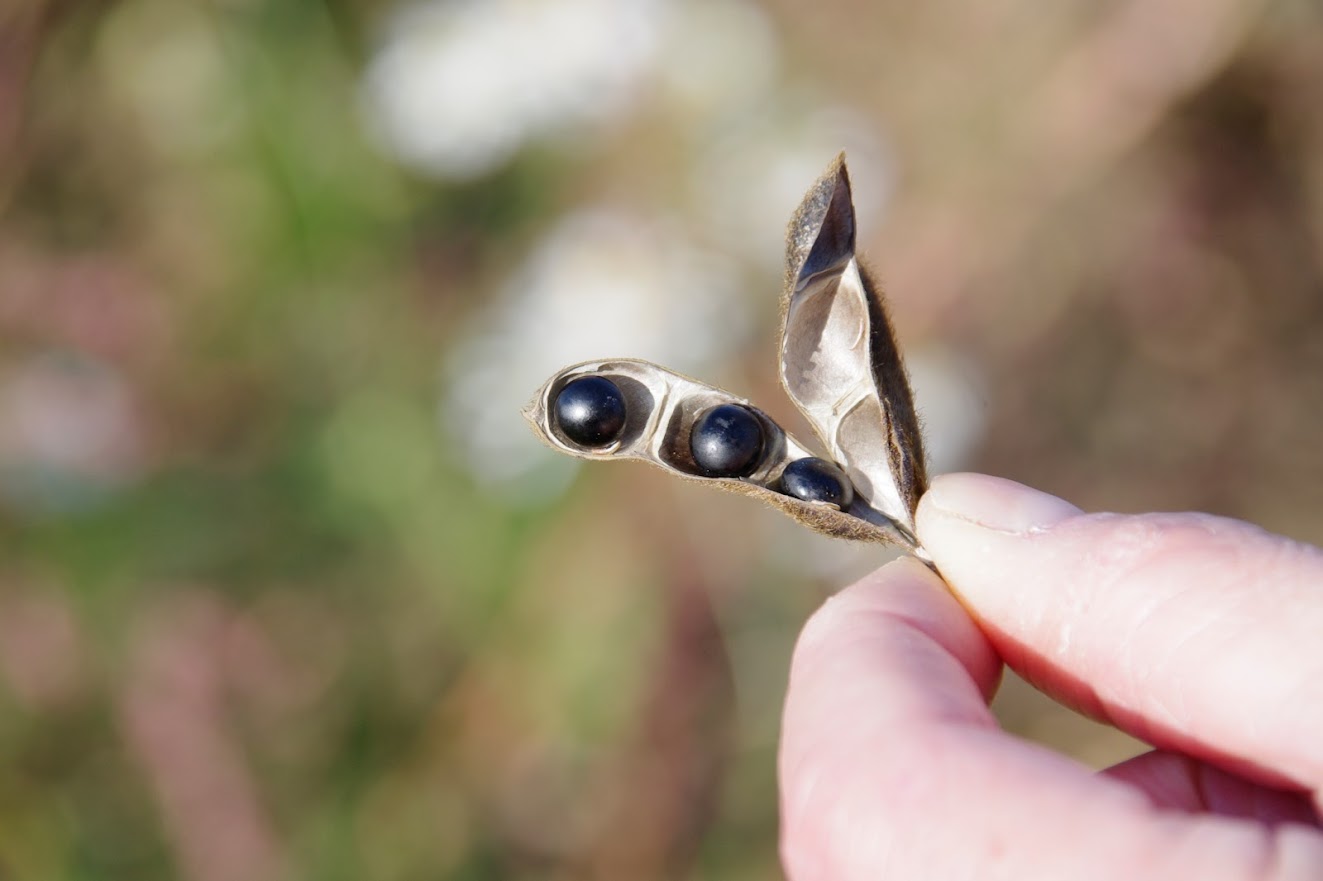
Jun Tanaka, an agricultural researcher from Morimachi, who had been conducting extensive research, discovered the tiny black bean, Kurosengoku, among the beans he had collected. He carefully selected 50 seeds of the original Kurosengoku variety and succeeded in germinating 28 of them.
Kurosengoku requires long hours of sunlight to grow, so it was thought to be difficult to cultivate in Hokkaido's climate at the time. Tanaka therefore focused on Iwate Prefecture (Hanamaki City and Kitakami City), which had long hours of sunlight, a warm climate, and was thought to be the southernmost place where cultivation was possible.
Kurosengoku cultivation begins in Iwate Prefecture
◎ 2002 (Heisei 14)
Iwate Prefecture was the one that worked on reviving Kurosengoku.
At the time, Kurosengoku seeds were brought to JA Iwate Hanamaki, an agricultural cooperative in Hanamaki City, as a replacement crop for rice paddies due to the national rice production reduction policy.Without any cultivation know-how, it was a process of trial and error.However, thanks to their efforts, Kurosengoku has expanded its cultivation area as a specialty product of Iwate Prefecture, and its cultivation has spread.
Small ridge sowing cultivation method: Yields stagnated
Kurosengoku cultivation in Iwate Prefecture is done using the small ridge sowing method due to poor drainage in the soil. However, the yield did not increase as much as expected.
Guidance from Mr. Joji Arihara, Director of the Kanto-Tokai Research Department at the National Agricultural Research Center
In Hanamaki City, Iwate Prefecture, a world-renowned soybean researcher, Joji Arihara (*), leader of the Soybean 300A Research Center of the National Agriculture and Bio-oriented Technology Research Organization, was invited to give a lecture, and he received guidance on Kurosengoku cultivation and worked to increase yields. Chairman Takada visited a farm in Iwate where he received guidance from Professor Arihara. (*2014, Director of the Kanto Tokai Research Department, National Agricultural Research Center)
Kurosengoku's return to Hokkaido
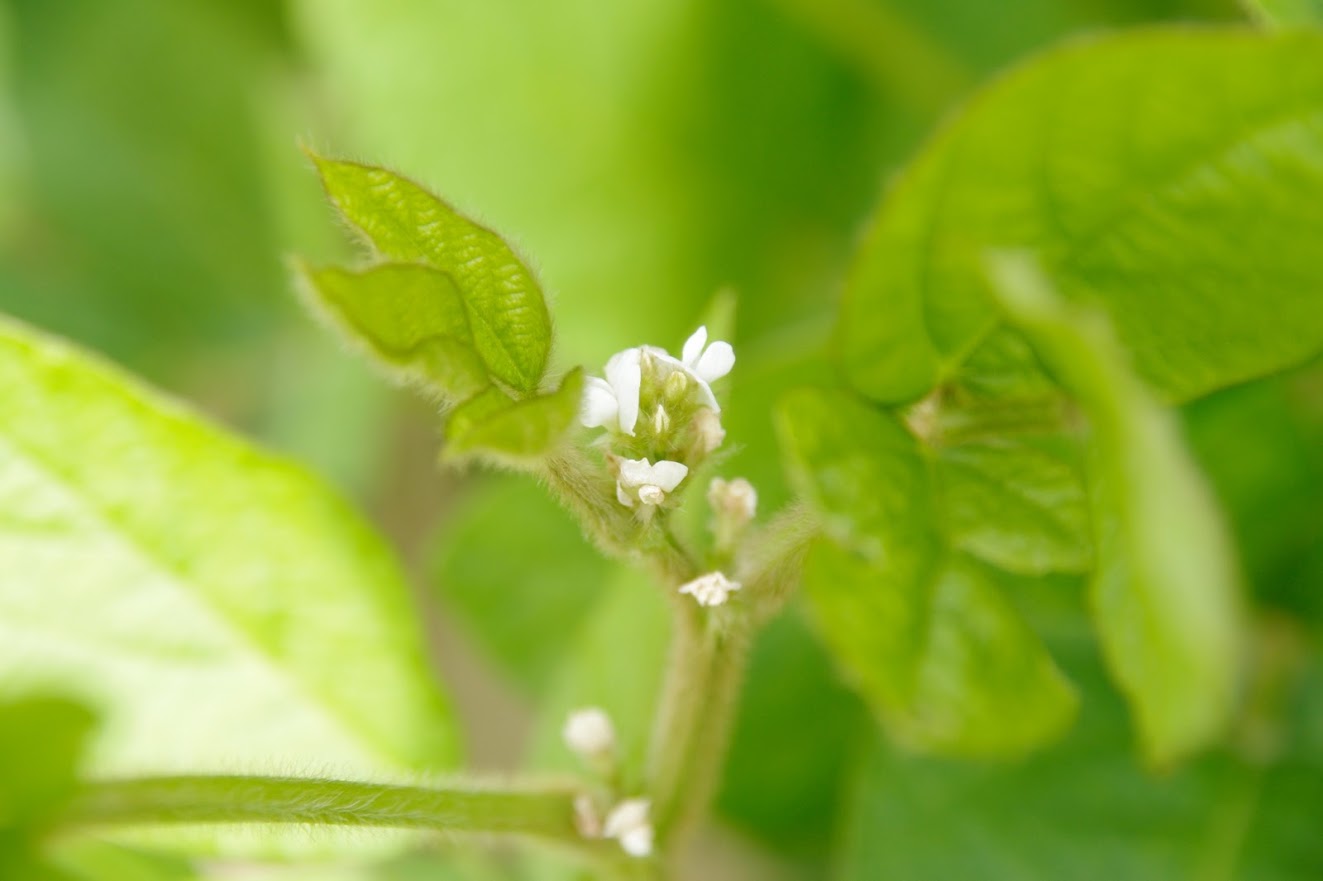
◎ Summer of 2004 (Heisei 16)
Former Chairman Murai learned of Kurosengoku, which is cultivated in Iwate Prefecture, and took action.
"Kurosengoku is a Hokkaido original breed. Born and raised in Hokkaido, it is a true Hokkaido native. It is best to return to our hometown and raise it in our hometown."
"Kurosengoku is a wonderful Hokkaido original variety that has not been selectively bred. I want to revive the soybean flour that was once produced in Hokkaido and contribute to the further development of Hokkaido."
Former Chairman Murai's passion began to move those around him to aim for the cultivation of Kurosengoku soybeans in Hokkaido.
Kurosengoku cultivation begins
Former Chairman Murai's enthusiasm persuaded Iwate Prefecture and mobilized farmers in Hokkaido, where fallow land is on the rise. Mayor Koichiro Terashima of Otobe Town in southern Hokkaido announced the "Town and Agriculture Revitalization Plan (Soybean Project)" and endorsed former Chairman Murai's passionate vision.
◎ 2005 (Heisei 17)
Kurosengoku cultivation has begun in 24 households in Hokuryu Town, Takikawa City, and Otobe Town.
Professor Jun Tanaka was invited to Takikawa City to give a lecture on Kurosengoku. About 40 people who shared the vision of former Chairman Murai gathered and listened attentively to his talk.
Under the guidance of Professor Jun Tanaka, Kurosengoku cultivation began. It was a series of surprises!

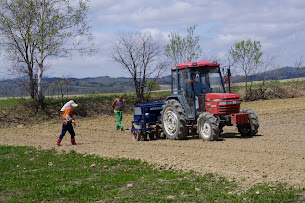
Under the guidance of Professor Tanaka, we began cultivating Kurosengoku rice.
The seeds were sown and leaves sprouted. However, while the other soybeans flowered and bore fruit, Kurosengoku did not even flower.
The soybeans finally started to flower after the Obon festival. This was the first time they had seen soybeans so late, so the producers were confused.
At the end of October, the leaves finally fall and the harvest begins.
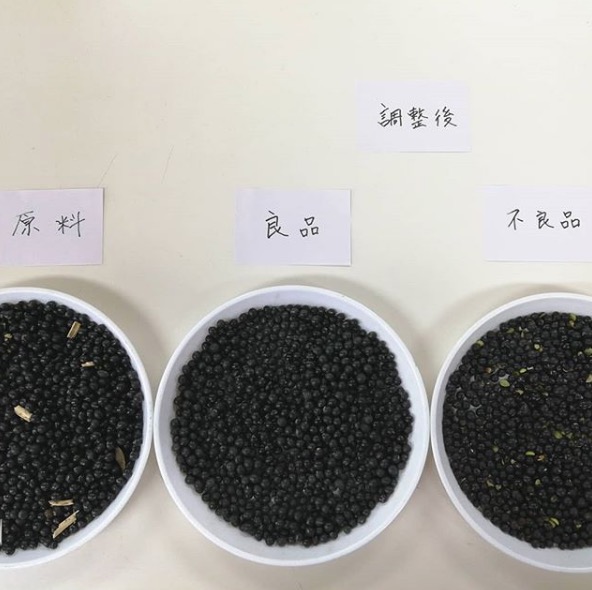
After harvesting with a combine, the next thing we have to do is struggle to remove the mud.
They rent a warehouse from the agricultural cooperative, pour the beans onto a conveyor belt, and then repeatedly sort the mud and beans by hand.
The manual labor was done by the farming women, and the mind-numbing work continued endlessly.
First harvest and introduction of sorting equipment
◎ 2005 (Heisei 17)
The cultivation area was 27 hectares, with 22 producers. The yield was just under 43 tons.
Just as he breathed a sigh of relief, he rushed off to look for a sorting device (to remove foreign matter) in preparation for next year's production.
After negotiating with countless vendors over the summer, we finally managed to install the equipment.
◎ 2006 (Heisei 18)
With the help of subsidies for crop rotation, the number of producers and yields have increased. In fiscal 2006, there were 141 producers and the yield was 422 tons.
Kurosengoku Business Cooperative Association established
◎ 2007 (Heisei 19)
In March, the Kurosengoku Business Cooperative was established.
We set out with an office in Hekisui, Hokuryu Town.
126 producers in 2007,
Cultivation area: 291 hectares, yield: 415 tons.
The peak of Kurosenkoku
It began to be featured in the media.
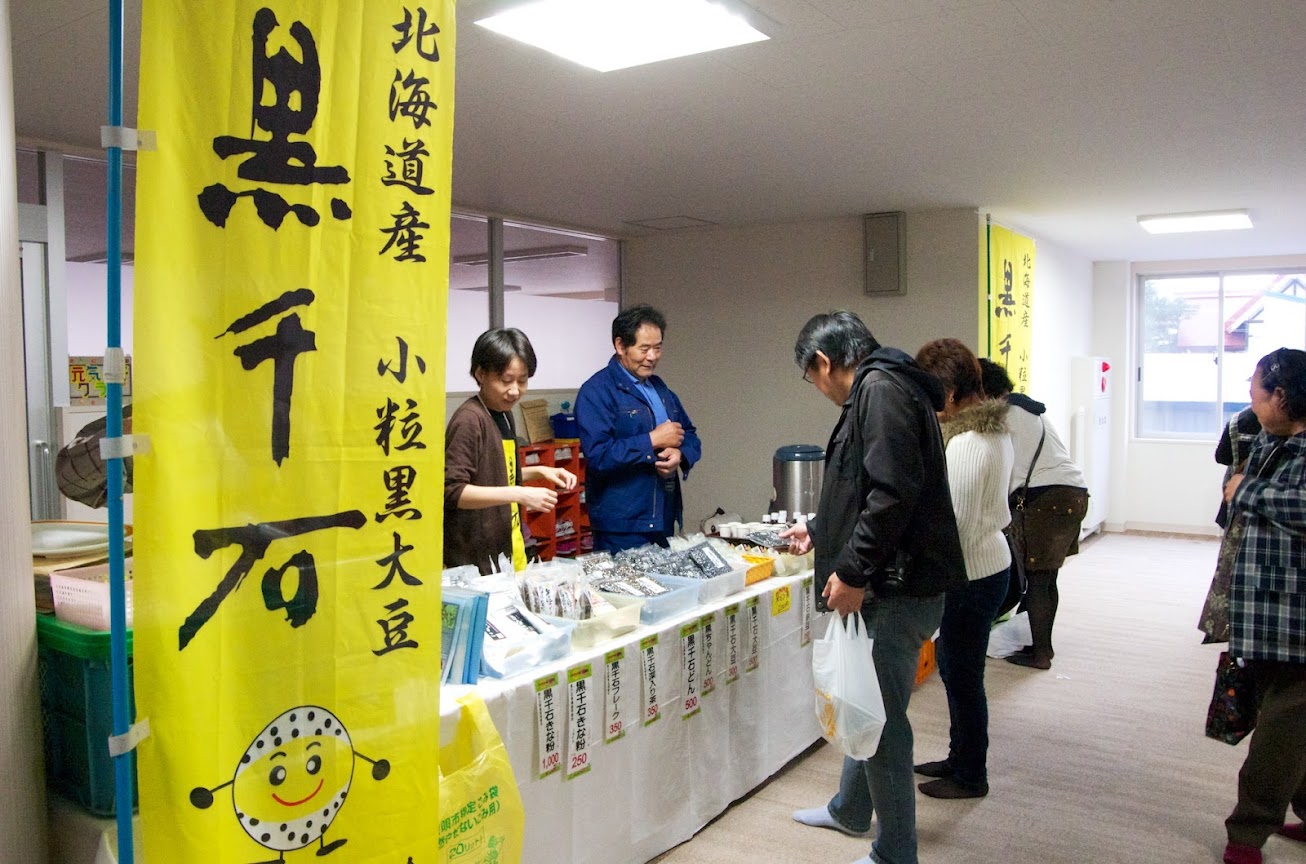
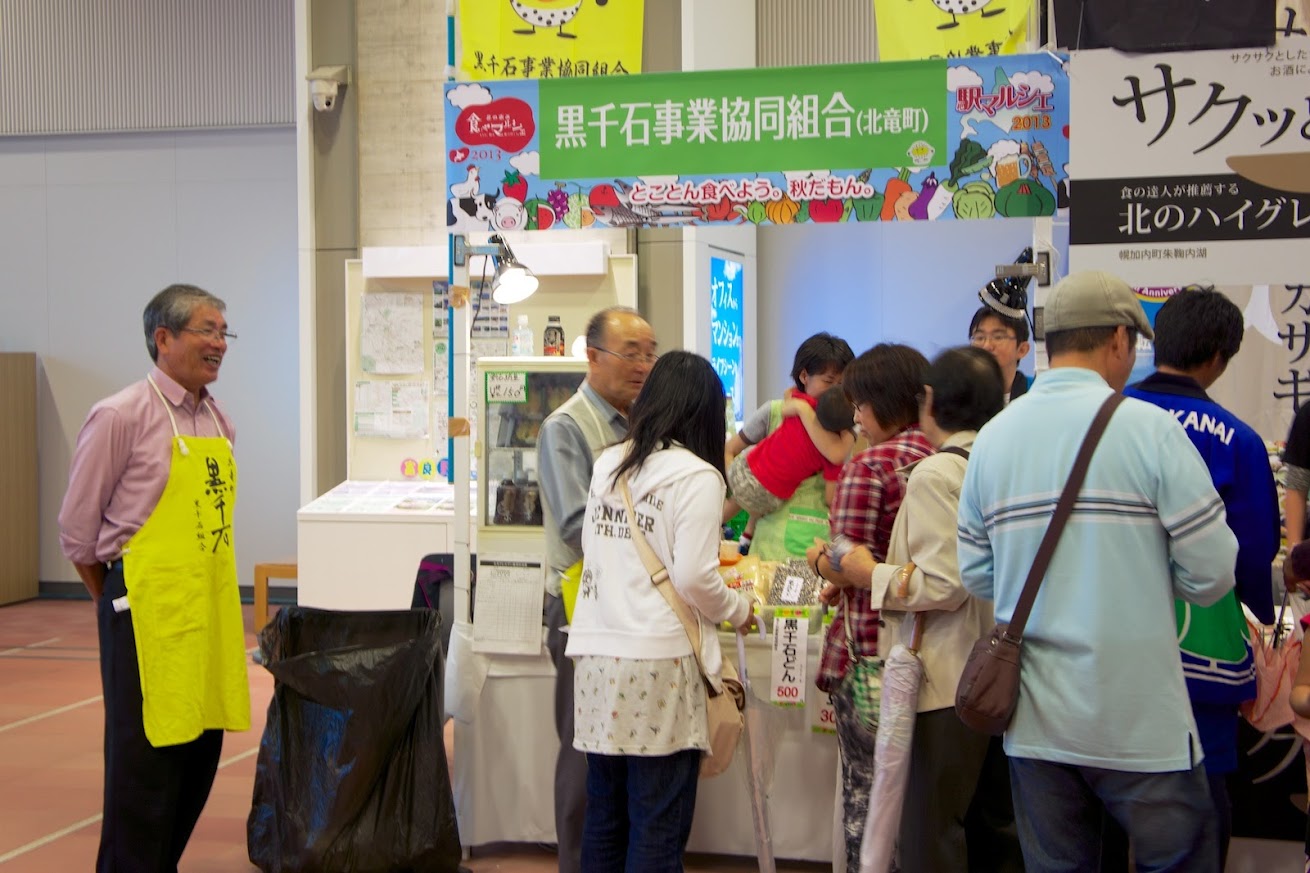
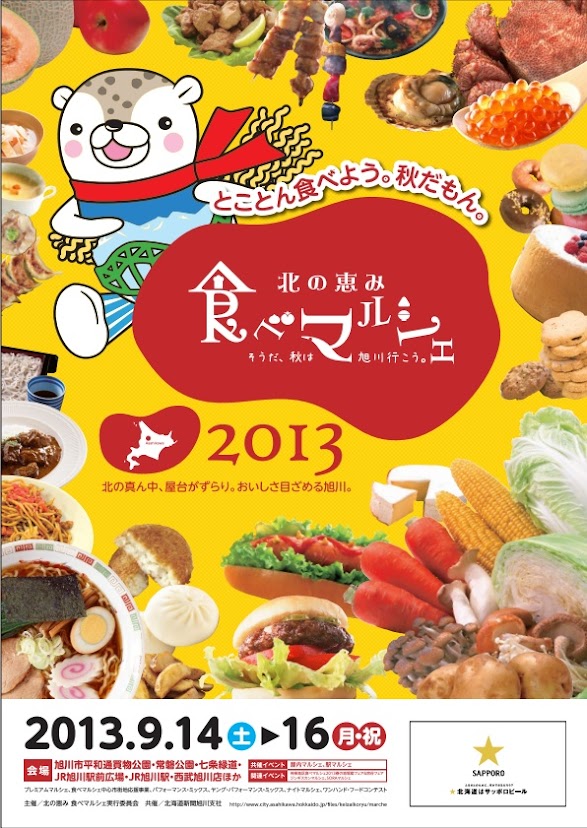
The company set up a stall at the "Northern Blessings Food Fair" held in front of the Sapporo Prefectural Government Office, and the former chairman and director himself promoted the products.
The mothers I met there encouraged me, saying, "Kurosengoku is a delicious and wonderful bean!" This was the greatest support I could have received.
The Aishoku Fair stall will continue in 2014, seven years after it was first held.
The first product to be commercialized was "Kurosengoku Natto."
In 2007 and 2008 (Heisei 19 and 2008), the annual yield was around 360 tons, and the business is going well. The future looks bright.
Bankruptcy of middlemen
◎ 2009 (Heisei 21)
During the economic downturn, the middleman who had been the sole purchaser of Kurosengoku soybeans went bankrupt.
The situation has changed completely. The Kurosengoku rice, which has been successfully harvested, is now in stock and stored in a warehouse.
The payment date to producers is approaching with no prospect of receiving the money.
Kurosengoku buried in snow
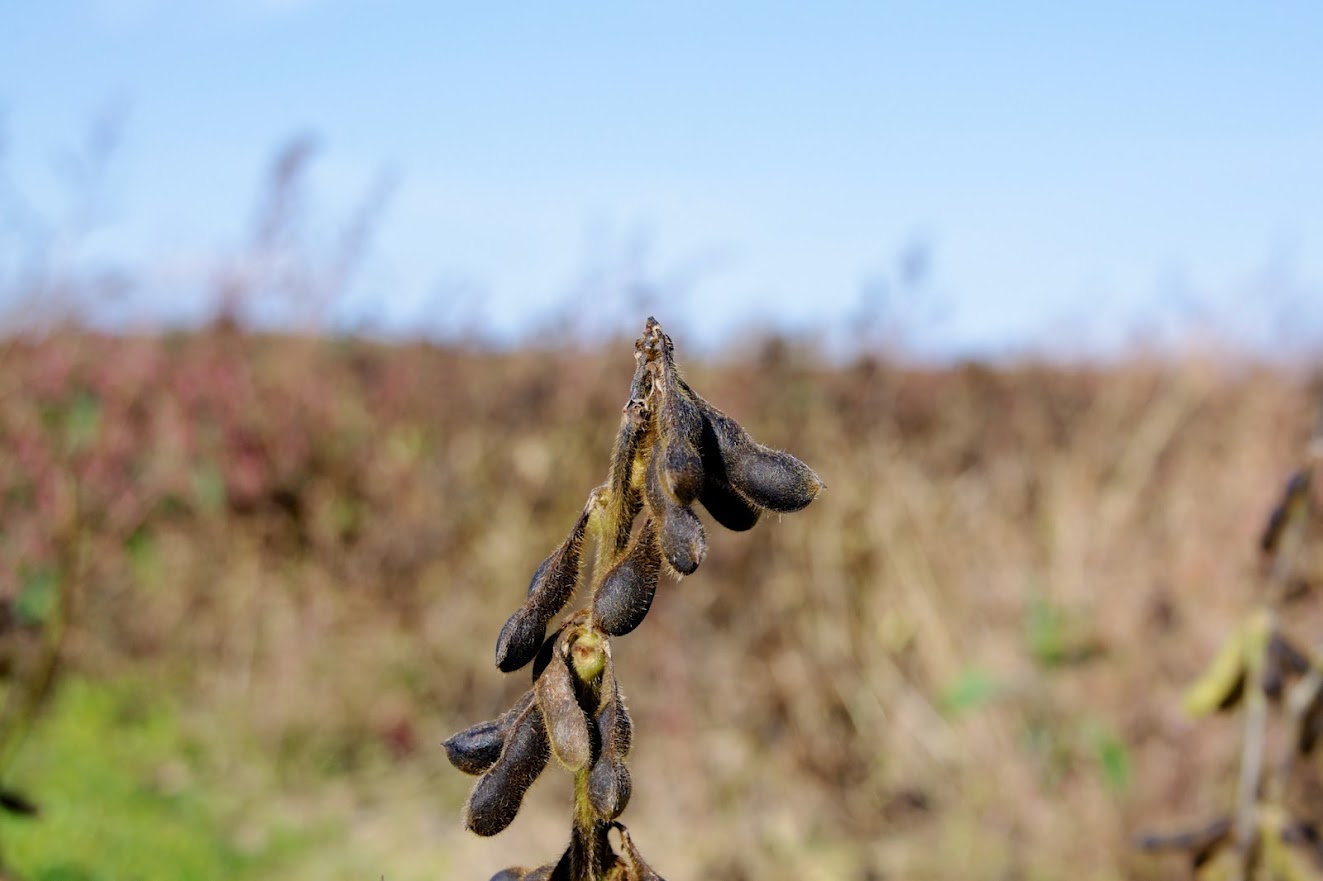
To make matters worse, Kurosengoku was buried in snow this late autumn.
With the harvest season fast approaching, snow began to fall on Kurosengoku, turning the fields into a nightmare.
With over 100 million yen worth of inventory, they were unable to pay producers, and what's more, the Kurosengoku soybeans that they had carefully cultivated were buried in snow just before the harvest.
I can't even choose death
◎December 2009 (Heisei 21)
Chairman Takada went around bowing to each and every farmer.
No matter how much I was insulted, I felt sorry and had no words to say in response, so I could only bow my head desperately.
Chairman Takada was overwhelmed with despair and prepared to die if he could pay for it with his own insurance money.
However, the insurance amount is not enough to cover the payment amount.
I couldn't even choose death.
The sincerity of the producers who saved us from a difficult situation and continued to watch over us patiently
Producers are unable to make it through the new year as the end of the year approaches without receiving payment for their Kurosengoku soybeans.
People who are in dire straits and forced to leave.
However, even though it was difficult, there were producers who gritted their teeth, endured, and waited.
In order to respond to the wishes of these people, Chairman Takada risked his life, traveling from east to west.
People who have been through hell and endured pain together.
Kurosengoku exists today because of the people who continue to watch over and support us.
The God of Salvation appears
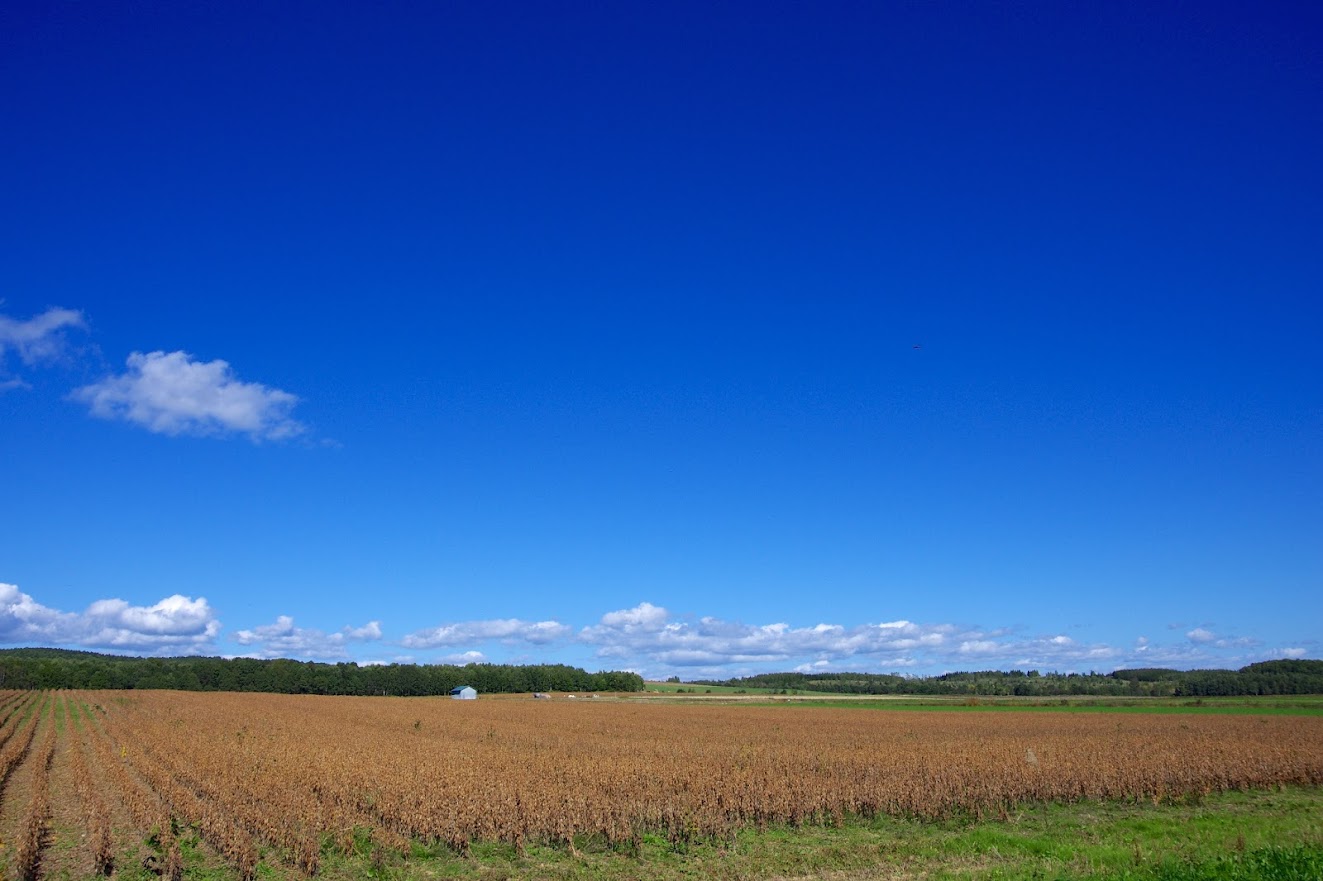
◎ April 2010 (Heisei 210)
There was a person who had been watching this dire situation for four months. The call came from Azuma Foods Co., Ltd. (Tochigi Prefecture).
He said he would buy 200 tons of Kurosenkoku directly.
With a feeling of gratitude, he travels desperately across Japan selling the remaining 300 tons to the producers.
The furthest away is Tokushima in Shikoku...
The sincerity of the people who watched over and supported Kurosengoku
Even at this rock bottom, there were people who worked together with us and supported our sales, in order to spread the word about the greatness of Kurosengoku to as many people as possible. They are people I will never forget. It was thanks to the irreplaceable sincerity of the people who supported and encouraged Kurosengoku's producers that Kurosengoku was able to climb out of the depths.
◎ March 2011 (Heisei 23)
Payments to producers have been completed.
However, in 2010, compared to the previous year, the number of producers had dropped dramatically from 93 to 36, the cultivation area had dropped from 297 hectares to 85 hectares, and the yield had dropped from 359 tons to 139 tons.
◎ 2012 (Heisei 23)
The Farmers' Individual Income Compensation System is launched. Kurosengoku soybeans are removed from the list of major agricultural products.
Hokuryu Town decided to provide a subsidy to encourage the cultivation of Kurosengoku rice, and began providing its own support for the town's specialty product, Kurosengoku.
Kurosengoku attracts attention

◎ 2011 (Heisei 210)
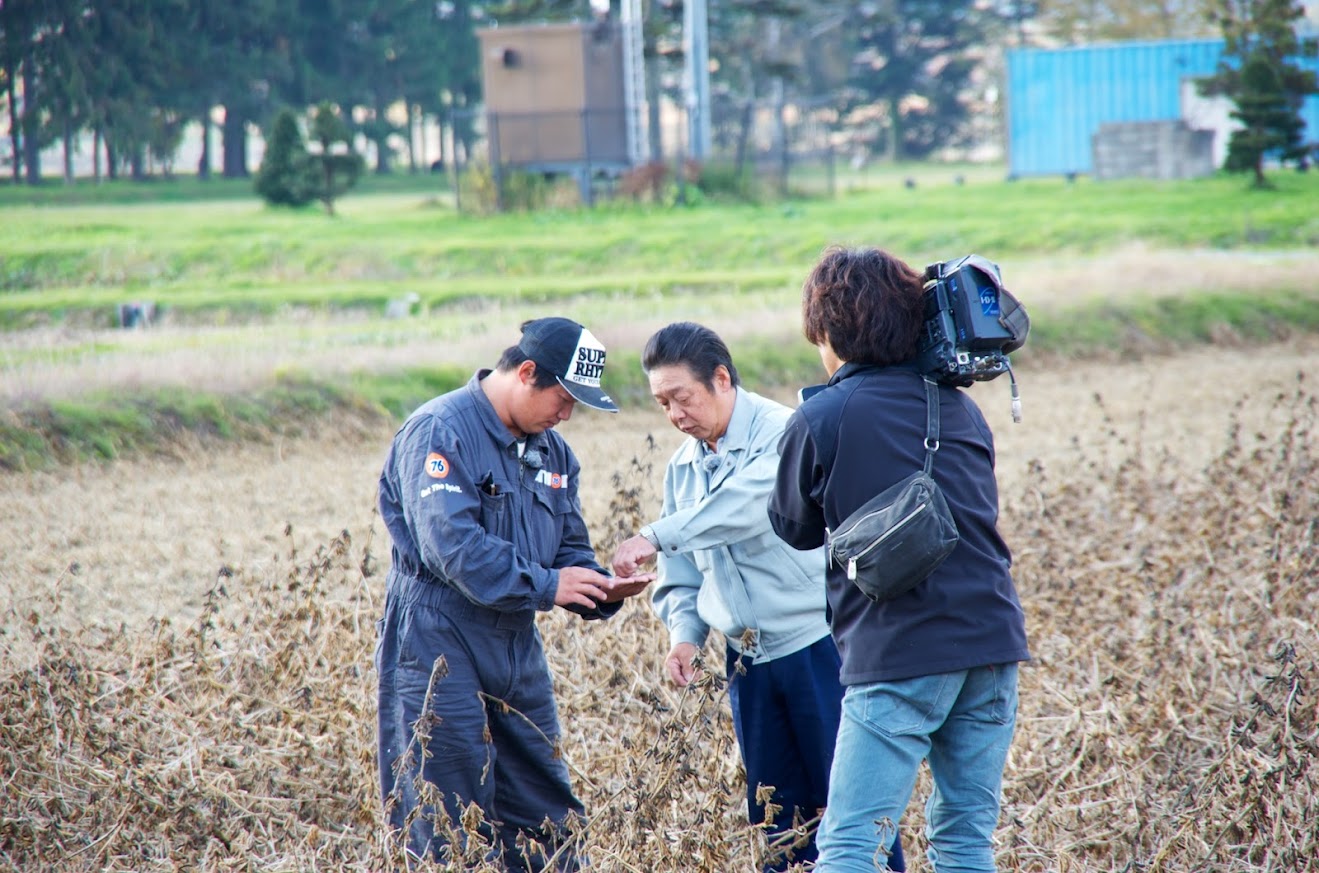
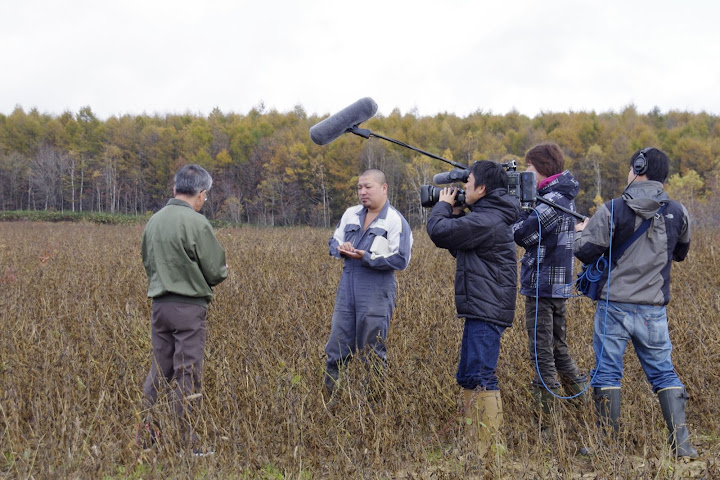
The trend in society was that Kurosengoku's outstanding nutritional value began to attract attention, and it began to be featured in the food industry and the media (STV's "TV Shopping," "Ambitious!", various magazines, etc.).
Her steady participation in the Aishoku Fair in Sapporo has led to her meeting many people, including her supportive teacher, Sachiko Hoshizawa.
◎ 2013 (Heisei 23)
Kurosengoku natto was featured on the nationally broadcast TV program "Tokoro-san's Things They Don't Teach You in School!"
◎ 2017 (Heisei 29)
Yumoya (Taichung City, Taiwan), a large, high-end supermarket that mainly sells additive-free foods, holds an exhibition of Hokuryu Town products, including rice, Kurosengoku soybeans, and sunflower oil, which is met with great acclaim.
◎ 2018 (Heisei 30)
Takashi Sanbuichi (Professor Emeritus at Takushoku University Hokkaido Junior College), an advisor to the Kurosengoku Business Cooperative Association, developed the new variety "Ryukei No. 3."
◎ 2019 (Heisei 31, Reiwa 1)
Attended the 1st Discover Rural Treasures Summit 2019 (Tokyo Midtown)
Kurosengoku to be commercialized
◎ July 2011 (Heisei 23)
・Nichiro Sunpack's new bottled tea "Kurosengokucha" now on sale。
◎ September 2011 (Heisei 23)
-New release of baked goods "Maboroshi no Kurosengoku Florentine", a collaboration with "Western Confectionery Kinotoya".
◎November 2011
・Eitaro Sohonpo's "Kurosengoku Kannato" will be sold at Isetan Shinjuku store in Tokyo.。
◎ 2017 (Heisei 29)
・Kurosengoku Witch's "Miracle of the Earth" is now on sale (Ferme La Terre Biei, Biei Town)。
◎ 2018 (Heisei 30)
・Newly Relaunched Kurosengoku Soybean Sunflower Oil Dressing。
◎ 2019 (Heisei 31, Reiwa 1)
・All-in-one cosmetics "Lumatan" Manai Cosmetics Co., Ltd. (Sapporo) launches new product
◎ 2020 (Reiwa 2)
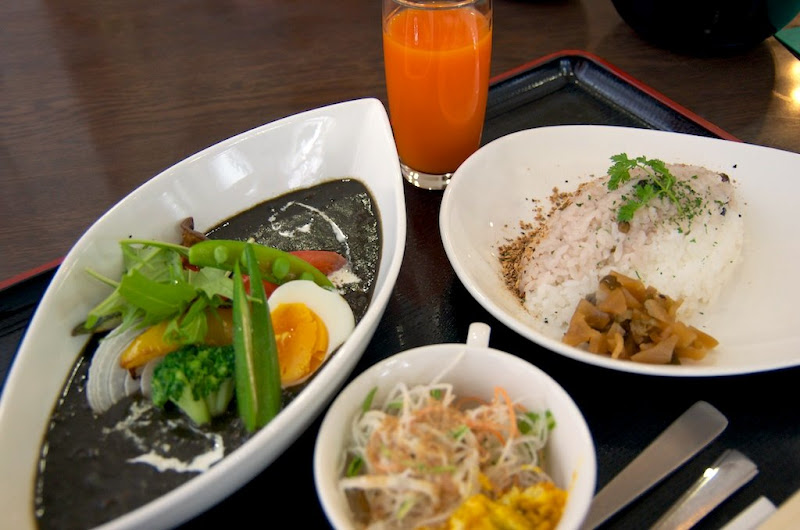
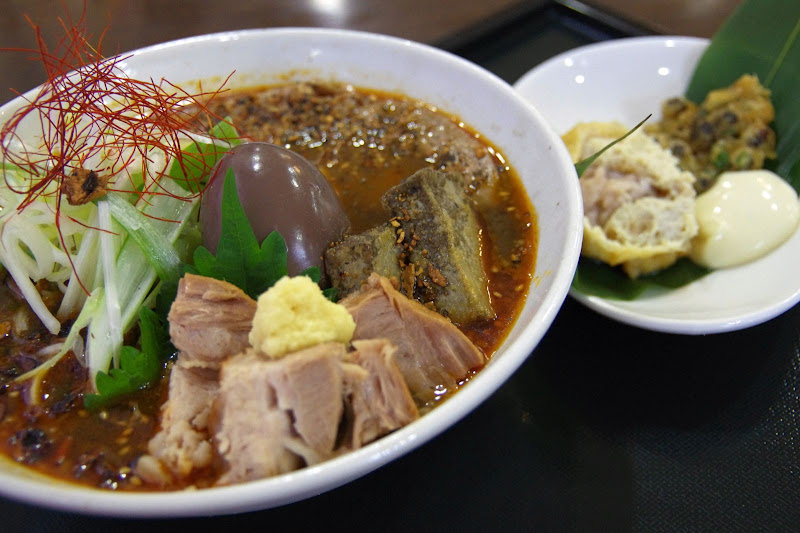
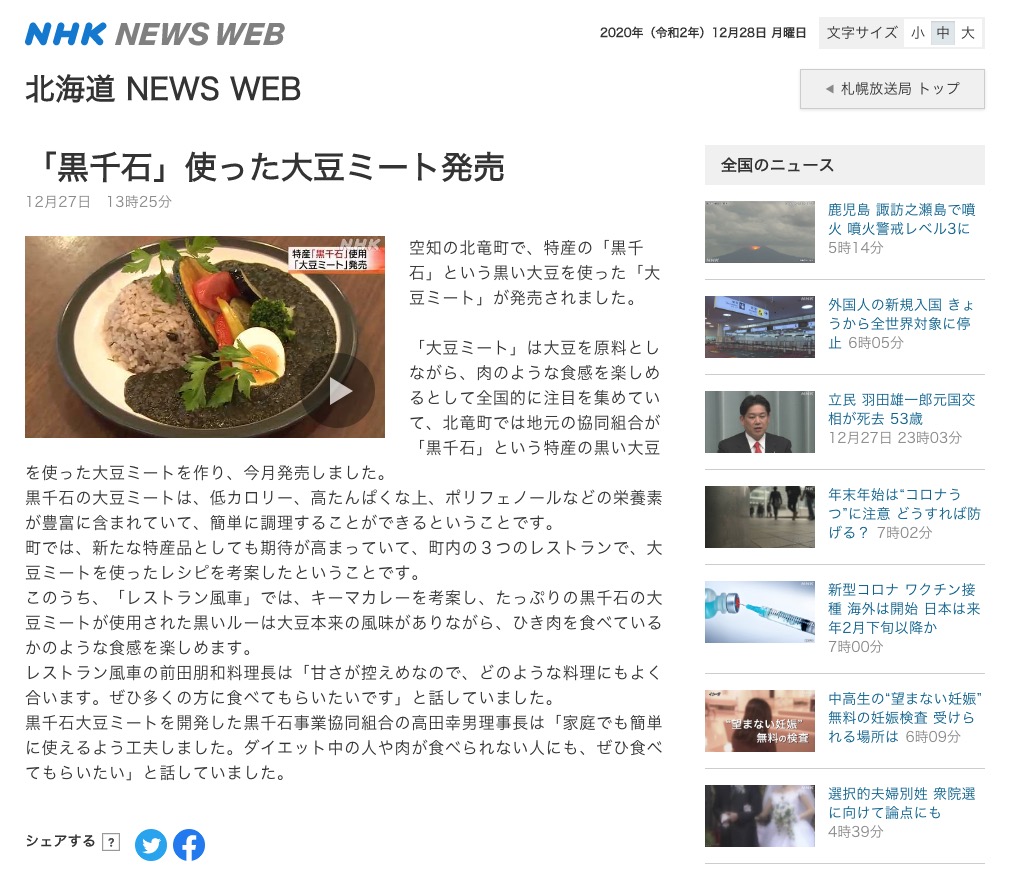
・A world first! "Kurosengoku Soy Meat" now on sale! New menu items developed by restaurants in Hokuryu Town!
New processed products are being developed one after another.
Awards
◎ 2010 (Heisei 210)
・6th HAL Agriculture Award "Challenge Award"” (November 11, 2010)
◎ 2014 (Heisei 26)
・FY2013 Kitashin "Hometown Promotion Fund Kitashin Industrial Technology Encouragement Award"(March 26, 2014)
◎ 2016 (Heisei 28)
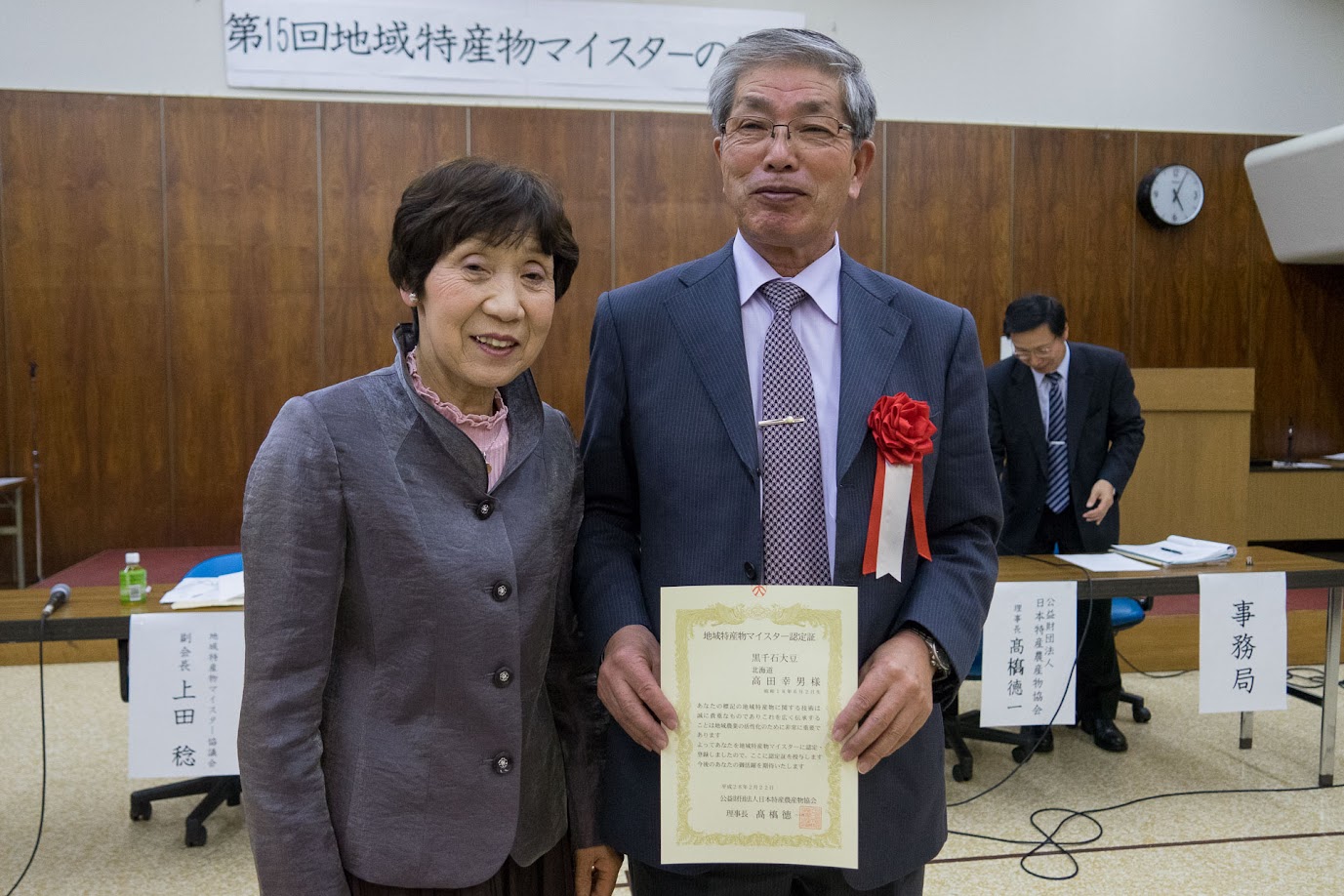
・Chairman Takada Yukio is certified as a Regional Specialty Product Meister by the Japan Specialty Agricultural Products Association, a public interest incorporated foundation.(February 22, 2016)
◎ 2018 (Heisei 30)
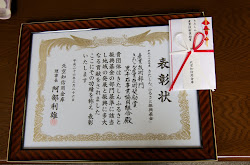
・Kurosengoku Business Cooperative Association was selected for the "5th Discover the Treasures of Rural Areas" sponsored by the Cabinet Secretariat and the Ministry of Agriculture, Forestry and Fisheries.(November 22, 2018)
◎ 2019 (Heisei 31, Reiwa 1)
・"Hokkaido Food to Pass On" Video Contest, Awards Ceremony & Networking Event (Hosted by the Hokkaido Agricultural Administration Office, Sapporo City)(March 18, 2019)
・Discover the Treasures of Rural Areas: 1st Summit 2019 (Tokyo Midtown)(June 26, 2019)
◎ 2022 (Reiwa 4)
・Kurosengoku Business Cooperative was selected in the demand acquisition category of the Small and Medium Enterprise Agency's 2021 "300 Emerging Small and Medium-sized Enterprises and Small Businesses" and was awarded a letter of appreciation!(February 1, 2022)
Introducing "Kurosengoku Sprouted Natto"!
◎ 2014 (Heisei 25)
The Kurosengoku Business Cooperative Association's business is selected for Sapporo City's sixth industry revitalization promotion subsidy program. Development of Kurosengoku germinated natto begins in collaboration with Mamezou Co., Ltd.
◎ March 2014
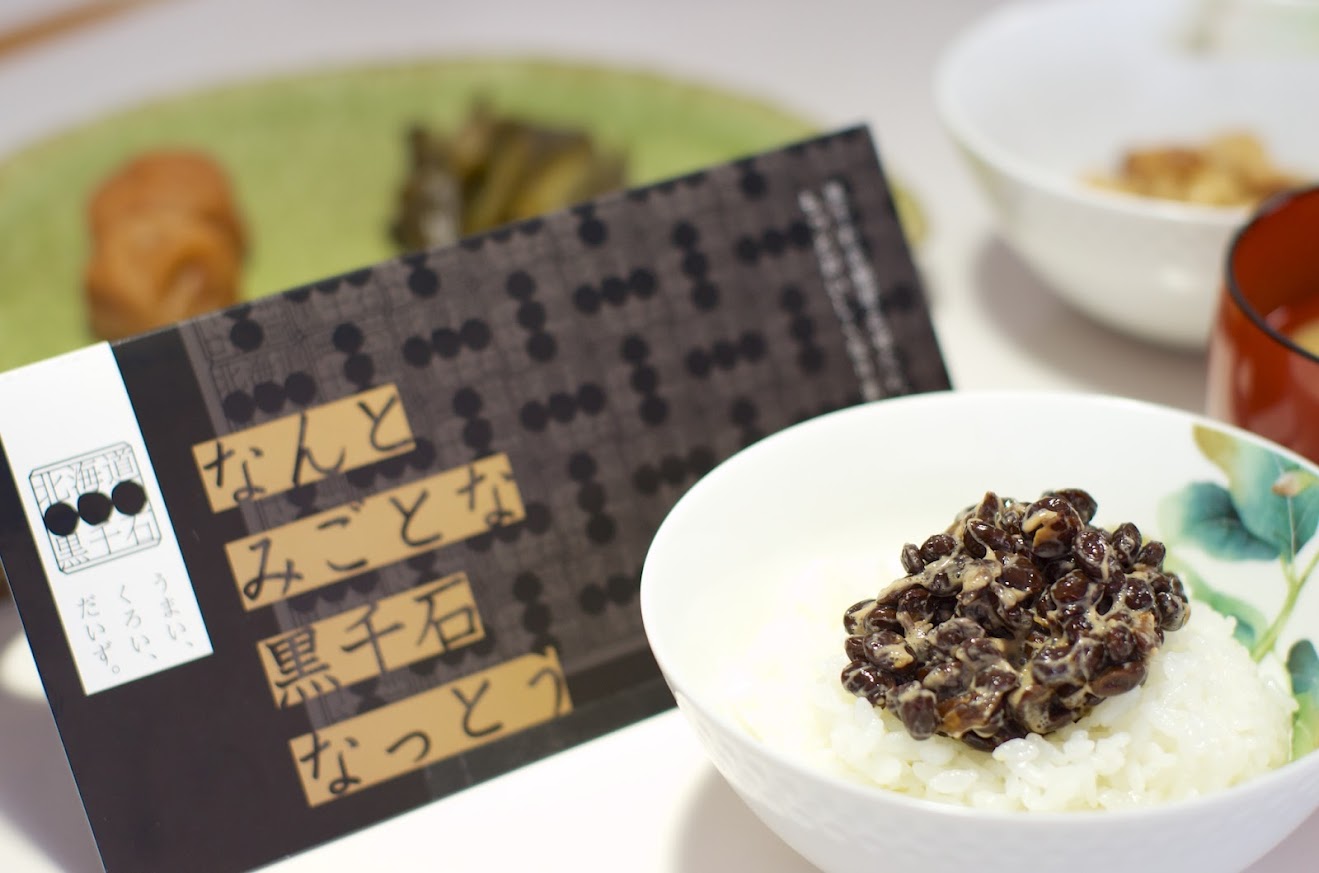
In collaboration with Mamezou Co., Ltd., "Kurosengoku Sprouted Natto" was born!
Kurosengoku soybeans celebrate their 10th anniversary of cultivation, protecting the health of Japanese people
◎ March 2015 (Heisei 27)
Kurosengoku soybeans began to be cultivated in 2005 (Heisei 17), and will celebrate their 10th anniversary in 2015 (Heisei 27).
The highly functional food "Kurosengoku soybeans" will kick off the next generation as a Hokkaido-grown food that will protect the lives of Japanese people!
"Kurosengoku soybeans" store name
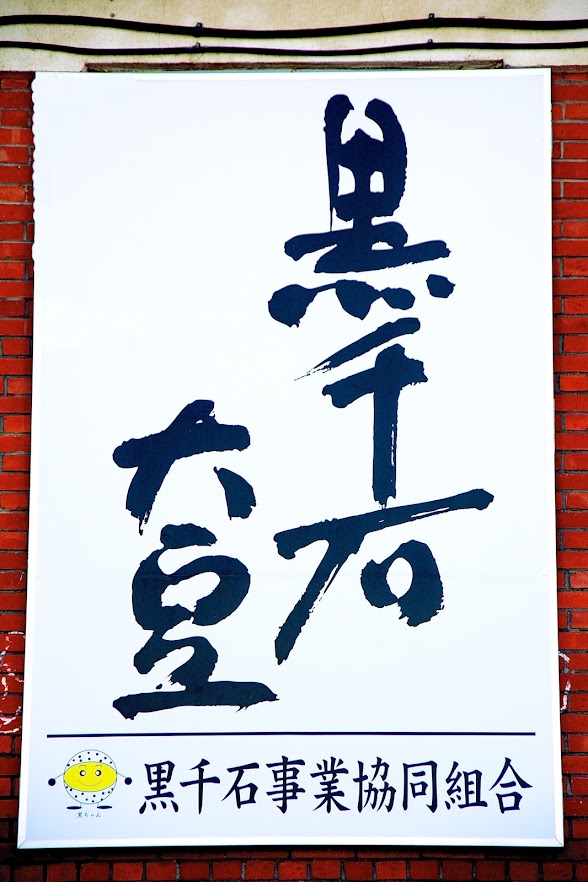
Mr. Tansetsu Ogino
Bokusho artist. Born in Tanba, Hyogo Prefecture in 1939 (Showa 14). While primarily working in graphic design, he began devoting himself to calligraphy around 1970. His works range from purely lettered works based on traditional calligraphy and ink to abstract paintings. Among his many works in product design and mass media, he has created title characters for the Suntory Whisky "Hibiki," the Flower Expo "Sakuyakonohanakan," and the historical drama "Shinsengumi!"
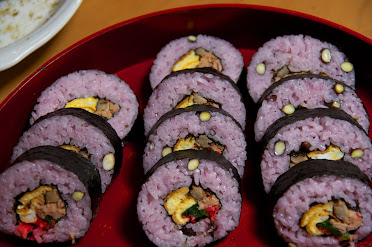
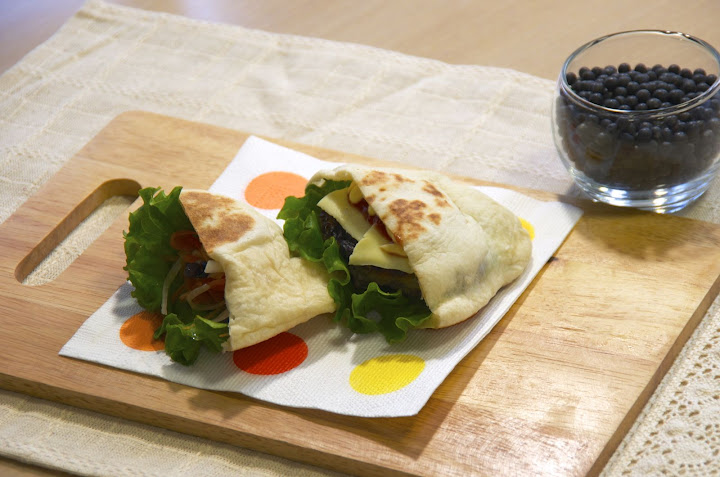
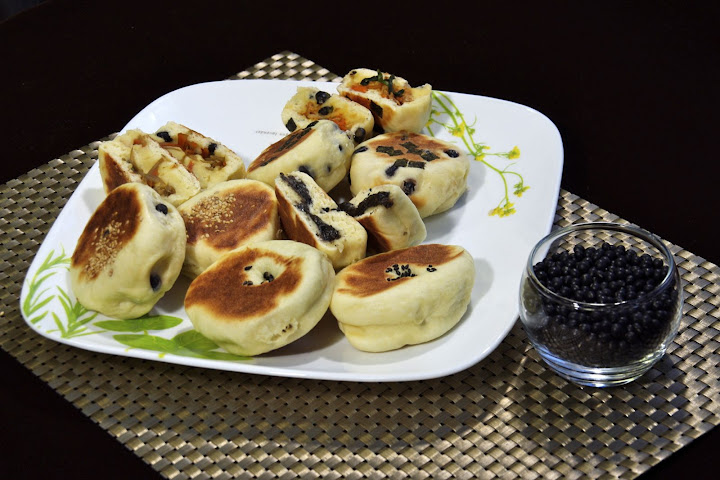
Kurosengoku recipes from Hokuryu town residents
▶ Click here for more information on Kurosengoku soybean recipes >>

▶ Click here for more information on Kurosengoku soybean recipes >>

The round, tiny, and incredibly cute "Kurosengoku soybeans"
Bathed in the sunlight more than anyone else, not giving in to the rain or wind
Kurosengoku is a free-spirited, wild child who grows up freely.
Kurosengoku is a man of delicate spirit and intense power.
A righteous view of health and vitality!
Our hero "Kurosengoku"
Go Kurosenkoku!

Producers and executives Organization overview What are Kurosengoku soybeans? Chairman's speech History Related articles Useful Links
| ▶ board member | ||||
 |
 |
 |
 |
 |
 |
 |
|||
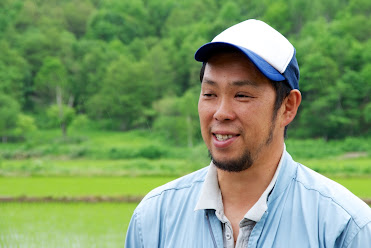
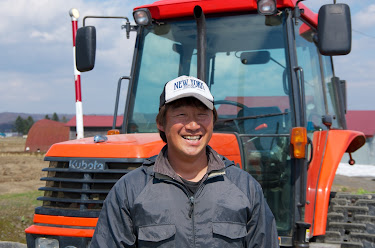
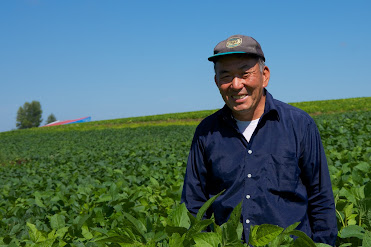
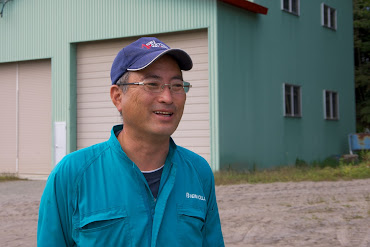
| ▶ Producer(To be posted sequentially) | ||||
 |
 |
|
 |
|
|
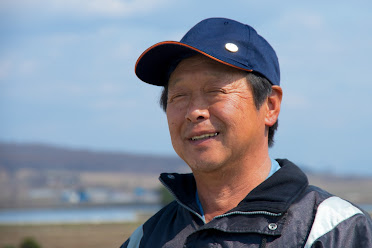
Masaaki Tsuji
(Hokuryu Town) |
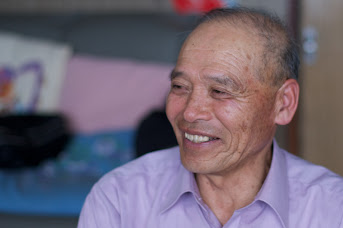
Kazuo Kimura
(Hokuryu Town) |
Hiroki Matsumoto
(Hokuryu Town) |
Hiroaki Ito
(Hokuryu Town) |
Yuki Takada
(Hokuryu Town) |
 |
 |
 |
 |
|
|
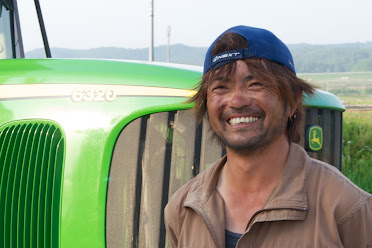
Minoru Nagai
(Hokuryu Town) |
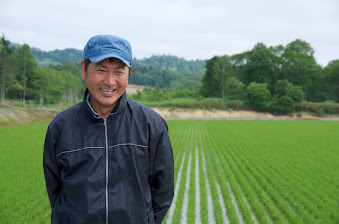
Kenko Kawakami
(Hokuryu Town) |
Ken Yoshida
(Hokuryu Town) |
Hideaki Tsuji
(Hokuryu Town) |
Osamu Yoshida
(Hokuryu Town) |
 |
 |
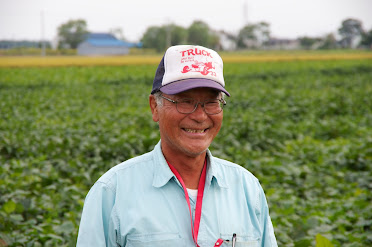 |
 |
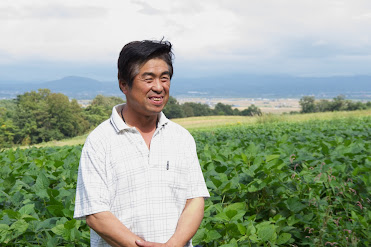 |
|
Mitsuhide Sakai
(Biei Town) |
Hiromitsu Makita
(Abira Town) |
Hideki Okayama
(Iwamizawa City) |
Yuki Kamatsuka
(Urausu Town) |
Tadashi Fujii
(Shintotsukawa Town) |
 |
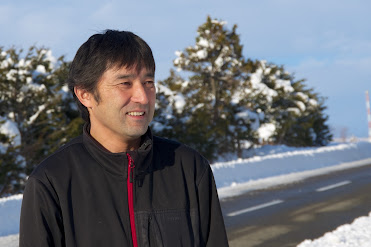 |
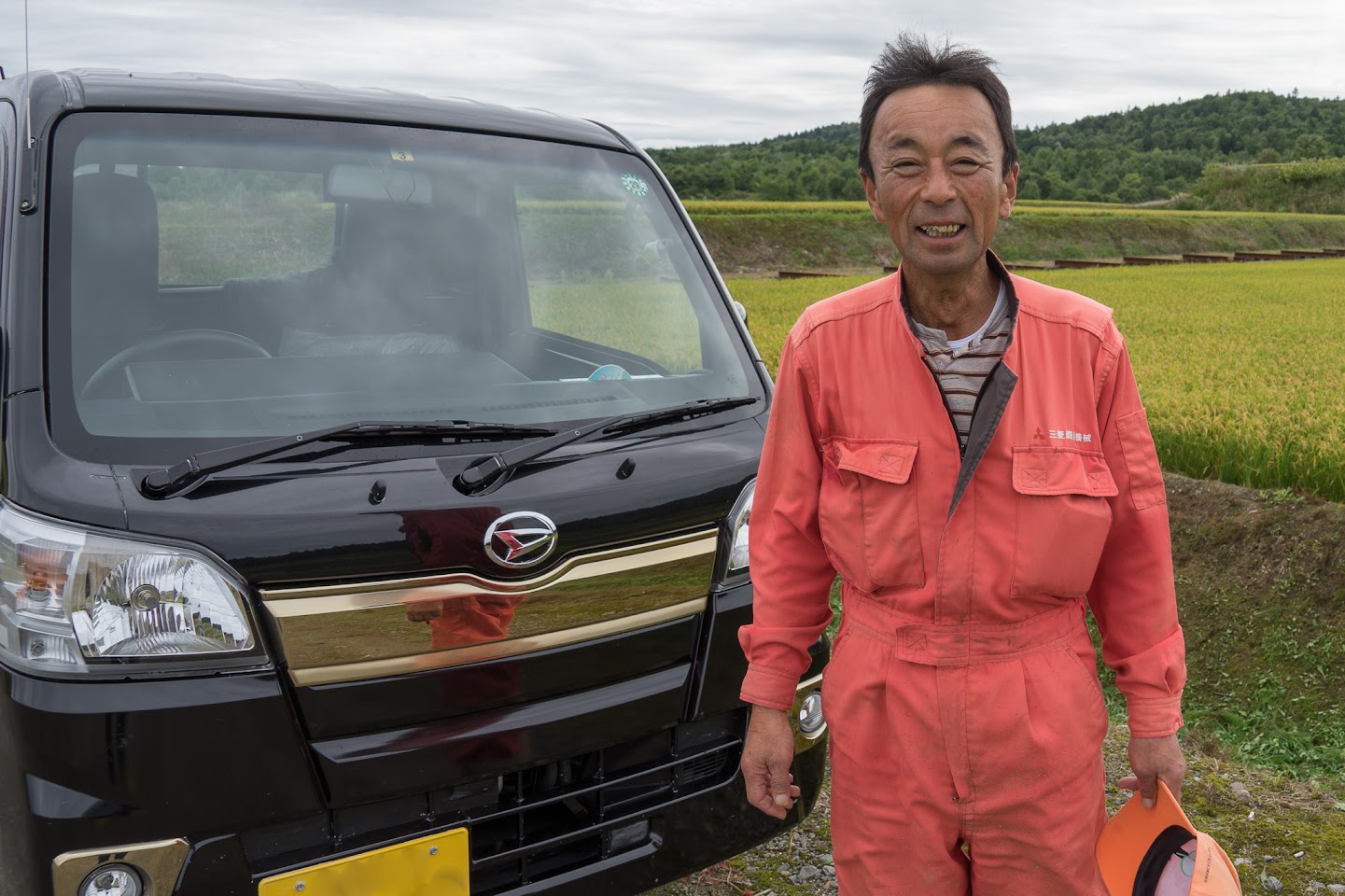 |
||
|
Mikio Tamaki
(Takikawa City) |
Masanori Ezaki
(Takikawa City) |
Mamoru Takehashi
(Hokuryu Town) |
||
| ▶ staff | ||||
 |
||||
History Organization overview What are Kurosengoku soybeans? Chairman's speech Producer Related articles Useful Links
| 2004 (Heisei 16) | ・Started research into prefectural documents to confirm the roots of "Kurosengoku" ・I learned that it is grown in Iwate Prefecture and checked the actual situation there. |
| 2005 (Heisei 17) | ・Promote the cultivation of Kurosengoku rice in Hokuryu Town, Takikawa City, and Otobe Town. ・Otobe Town had a strong desire to plant rice, and 26 households planned to plant rice on 42 hectares, harvesting 43 tons. ・In addition to the planting plan, we also worked on the construction of various facilities, application for subsidies, and the creation of a producers' organization, with Nobuo Murai as the union president. ・Establish an office |
| 2006 (Heisei 18) | ・Crop cultivation promotion activities were thoroughly implemented throughout the Sorachi region, expanding from the two towns of Hokuryu and Otobe to nine new cities and towns: Iwamizawa, Shintotsukawa, Takikawa, Minamihoro, Oiwake, Kitami, and Ebetsu. (141 farms, 225.9ha, 400 tons) ・Opening a stall at the "Aishoku Fair" at Hokkaido Red Brick Square |
| 2007 (Heisei 19) Registration of establishment |
・Under the guidance of various organizations, the production association was reorganized and registered as a cooperative corporation, "Kurosengoku Business Cooperative Association." ・Takada Yukio appointed as chairman ・We will also work on value-added rice business (rice milling processing) as a profitable business. ・The rice brand "Oborozuki" is expected to have a synergistic effect on the sales of Kurosengoku soybeans, and has achieved a certain level of success. |
| 2008 (Heisei 20) | ・Sales channels expanded to include Kurosengoku natto from Azuma Foods Co., Ltd. (Tochigi Prefecture), soybean flour from Nakamura Foods Industry Co., Ltd. (Sapporo City), soybean flour from Sakaguchi Flour Mill Co., Ltd. (Sapporo City), and 15-grain rice from Best Amenity Co., Ltd. (Kyushu). ・Through the "Aishoku Fair" at Hokkaido Red Brick Square, where we have been running a stall since 2006, the spread of personal consumption has had a greater effect than we had imagined. |
| 2009 (Heisei 21) | ・Bankruptcy of middlemen ・The scale of Kurosengoku production is significantly reduced. ・The 1st Kurochan Festival is held in front of Hokuryu Onsen, aiming to raise awareness and promote the product. |
| 2010 (Heisei 210) | April: A major deal is struck November: Received the 6th HAL Agriculture Award Challenge Prize December: "Okinawa Medicinal Chura Miso" launched |
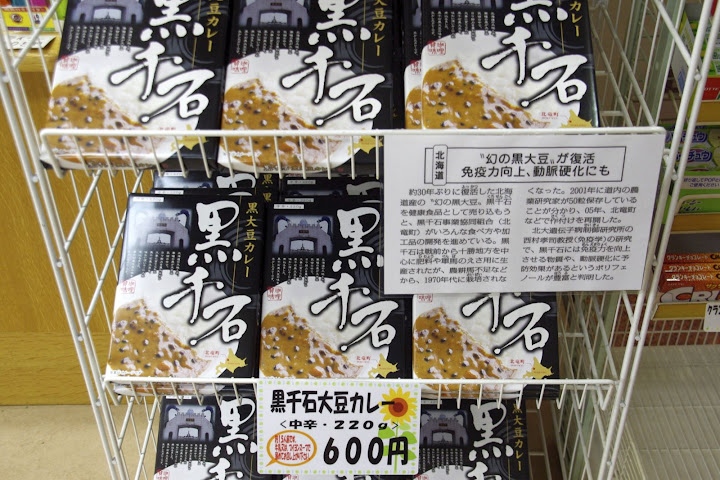
| 2011 (Heisei 23) | ・The unique sweets "Maboroshi no Kurosengoku" released by the Sapporo confectionery manufacturer "Kinotoya" quickly became popular, expanding into New Chitose Airport and becoming a top seller. ・Professor Takashi Sanbuichi, former professor at Takushoku University Hokkaido Junior College, works on the Kurosengoku soybean early maturation project. May: New release of "Kurochan Don" [Press conference at Hokkaido University] Puffed Kurosengoku rice improves immune function The Institute for Genetic Medicine has demonstrated that it has excellent antioxidant properties. July: New release of Kurosengoku Tea (Nichirosan Pack) September: New release of "The Phantom Kurosengoku" Florentine (Kinotoya) November: Eitaro Sohonpo's "Kurosengoku Kanna Natto" goes on sale at Isetan Shinjuku store December: Chairman Takada appears on the TV program "D! Ambitious" |
| 2012 (Heisei 24) | ・In line with the expansion of producers, we have developed natto made from germinated soybeans, taking advantage of the functionality of Kurosengoku soybeans. ・The Farmers' Individual Income Compensation System was launched. Kurosengoku soybeans were removed from the list of major agricultural products. ・Hokuryu Town begins providing "planting incentive subsidies" to Kurosengoku. The town begins its own support. |
| 2013 (Heisei 25) | ・Adopted as a subsidy project for the promotion of 6th industry revitalization in Sapporo city, and started development of Kurosengoku germinated natto in collaboration with Mamezou Co., Ltd. October: Kurosengoku natto is featured on the nationally broadcast TV program "Tokoro-san's School Doesn't Teach You These Things!" |
| 2014 (Heisei 26) | ・Expected effects of expanded planting of Kurosengoku soybeans increased by 134% compared to the previous year, with 49 producers, a planted area of 130ha, and a harvest of approximately 197 tons. March: Received the Kitashin Industrial Technology Encouragement Award from the Hometown Promotion Fund in 2013 April: Kurosengoku germinated natto "Nantou Magogona Kurosengoku Natto" launched |
| 2015 (Heisei 27) | January: Nationwide broadcast on "The Clinic Where You Can Find Your Own Doctor" (TV Tokyo) March:Kurosengoku 10th Anniversary Celebration(March 14th, Hokuryu Onsen) ・"Kurosengoku 10th Anniversary 2015" Photo BookCreated (Kurosengoku Project in Photographs) |
| 2016 (Heisei 28) | February: Chairman Takada Yukio is certified as a local specialty product master March: Teachers and students from Obihiro Agricultural High School in Hokkaido visit the Kurosengoku Business Cooperative Association |
| 2017 (Heisei 29) | ・May: Kurosengoku Witch's "Miracle of the Earth" is now on sale! @Ferme La Terre Biei (Biei Town) December: Hokuryu Town product exhibition "Rice, Kurosengoku soybeans, and sunflower oil" held at Yumoya (Taichung City, Taiwan) |
| 2018 (Heisei 30) | May: Takashi Sanbuichi (Professor Emeritus of Takushoku University Hokkaido Junior College), advisor to the Kurosengoku Business Cooperative Association, develops the new variety "Ryukei No. 3." October: Kurosengoku soybean harvesting experience. Nokyo Kanko "Nokanjuku bus tour to learn about food and agriculture" held. November: Selected as one of the 5th Discover Rural Treasures and presented with a certificate of excellence (Prime Minister's Office) |
| 2019 (Reiwa 1) | March: "Hokkaido Foods to Pass On" Video Contest, Excellence Award (Hosted by the Hokkaido Agricultural Administration Office, Sapporo City) ・June: Discover the Treasures of Rural Areas - 1st Summit 2019 (Tokyo Midtown) ・Chairman Takada gave a lecture on "Kurosengoku soybeans, the source of life" at the 2019 Kitasorachi Land Improvement District Management Council Training Session (Hokuryu Town) |
| 2020 (Reiwa 2) | June: Filming location for the movie "Whose Seed is It?" at Kurosengoku Business Cooperative Association September: A local meeting was held in Hokuryu Town (Hokkaido) by a group of Diet members regarding the revision of the Seed and Seedlings Act. November: Satake Corporation introduces "Beltuza Multi-purpose Belt-type Optical Sorting Machine" ・December: A world first! "Kurosengoku Soy Meat" is released! Restaurants in Hokuryu Town are working on new menu items! |
Related articles Organization overview What are Kurosengoku soybeans? Chairman's speech Producer History Useful Links
Awards(Click to enlarge in a separate window)



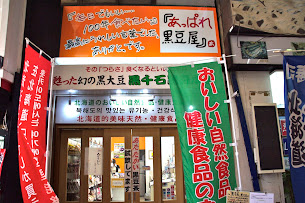
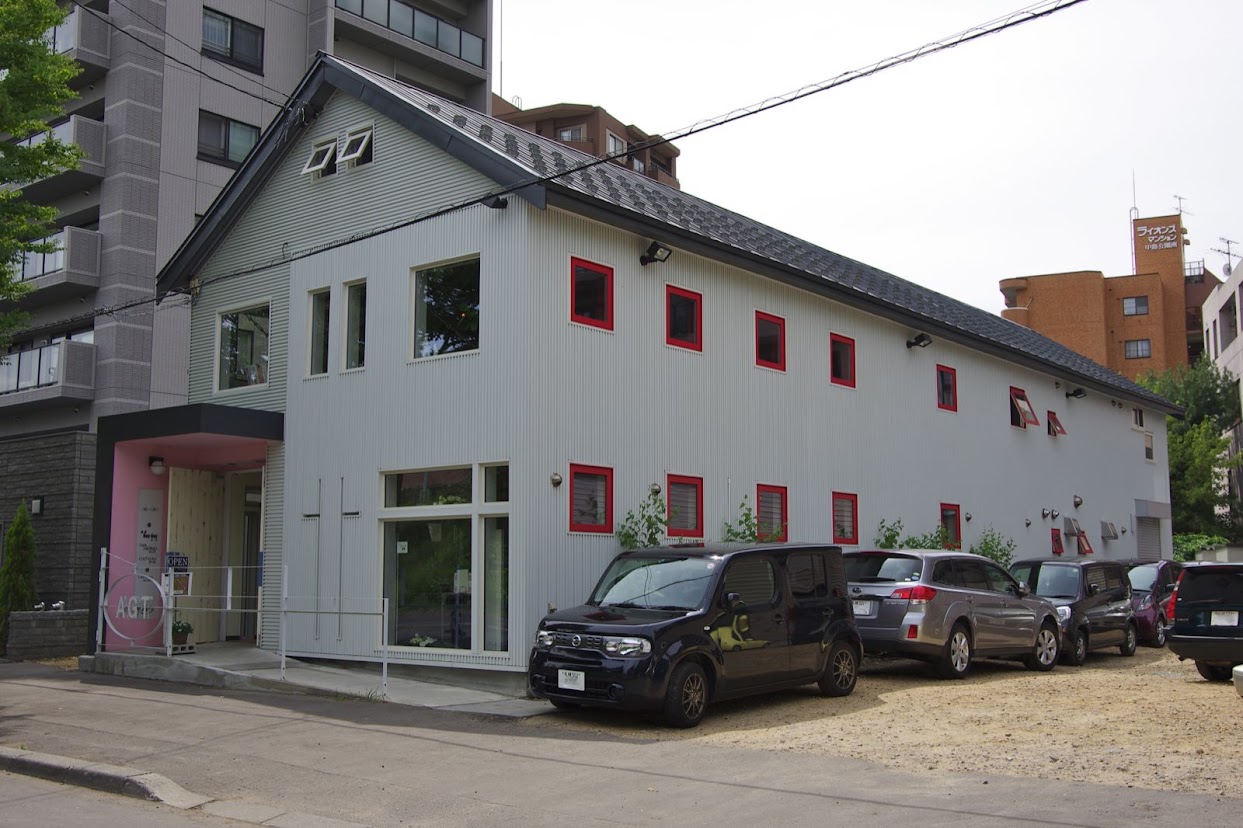
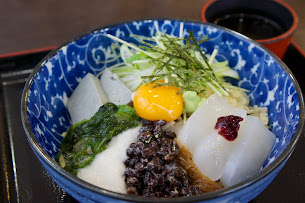
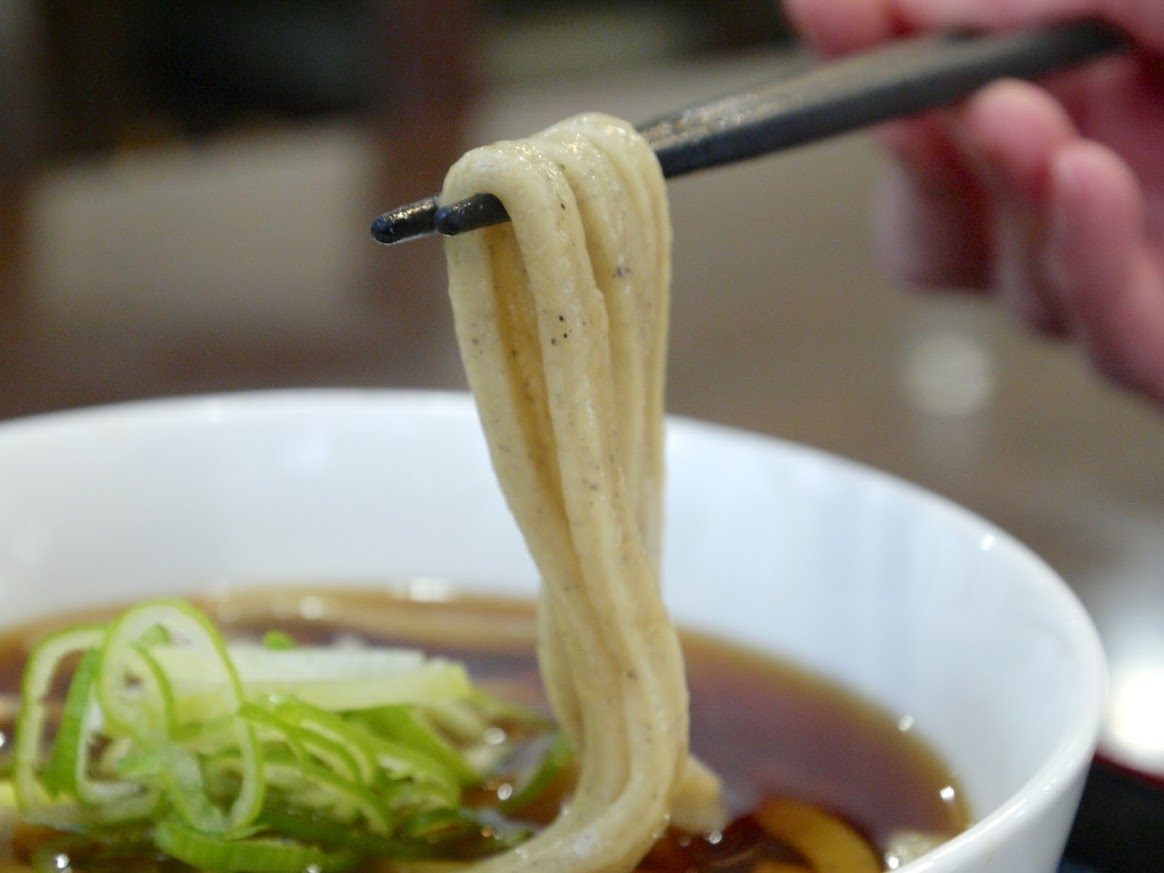
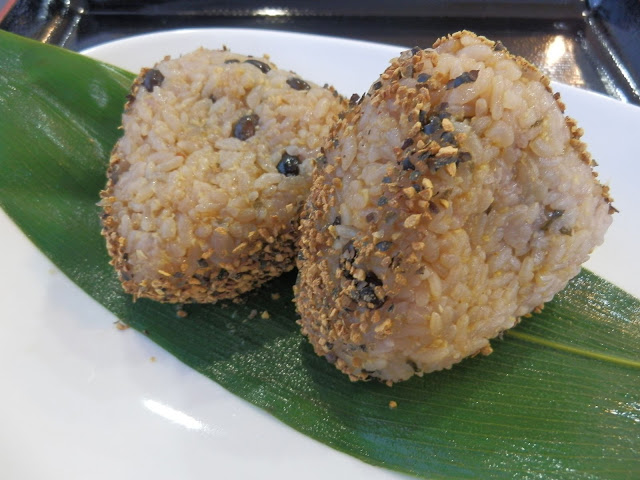
Cultivation/processing Sales Shop Kurosengoku Menu Opening a store Announcements etc. Publicity merchandise










































Useful Links Organization overview What are Kurosengoku soybeans? Chairman's speech Producer History Related articles
| Trivia about soybeans | Ministry of Agriculture, Forestry and Fisheries - Answers to various questions about soybeans |
| Hokkaido University press release | "Kurosengoku" puffed food has excellent immune and antioxidant properties |
| Azuma Foods Co., Ltd. | Kurosengoku small grain natto and others |


