Monday, June 30, 2025
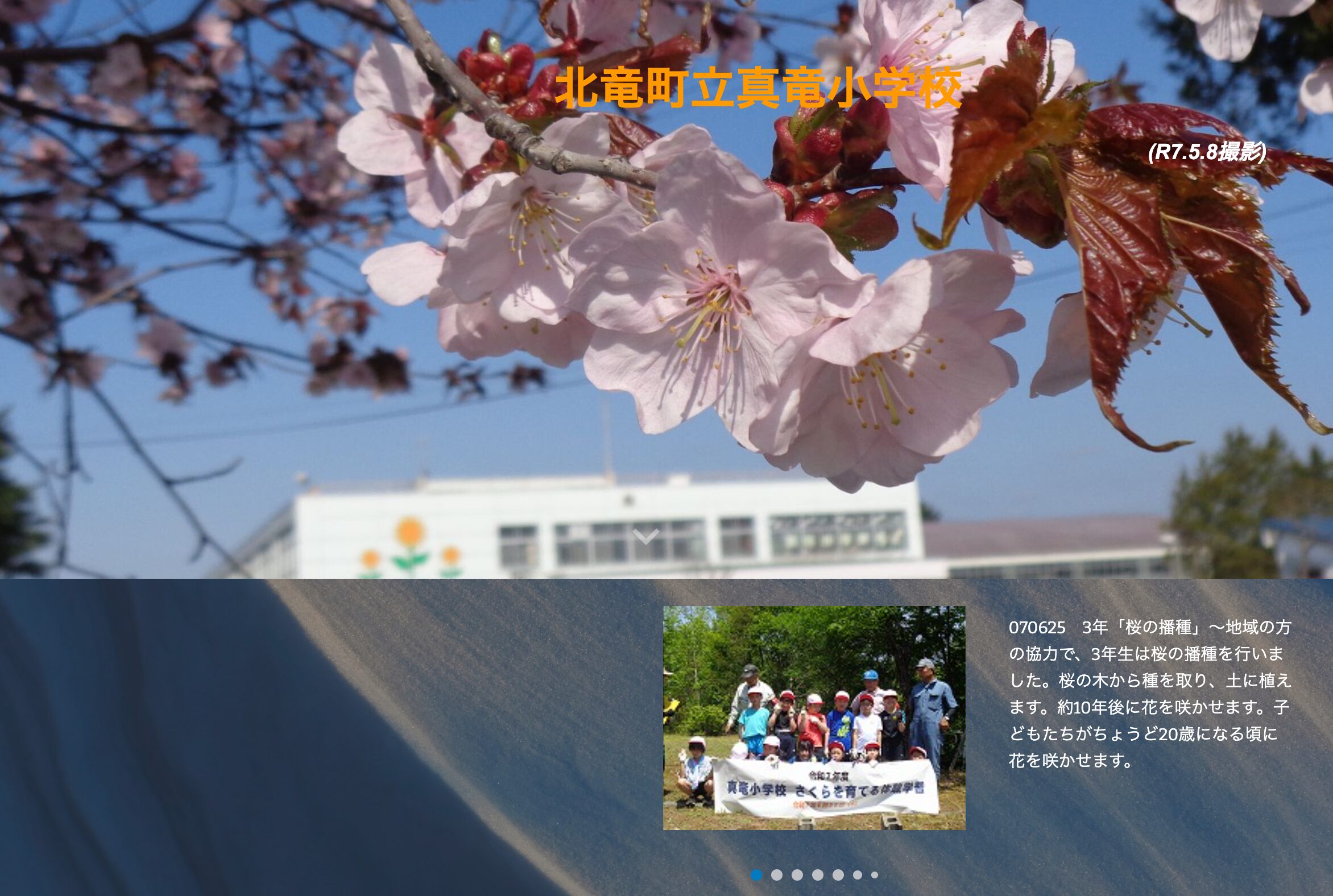
- 1 Shinryu Elementary School - Reiwa 7 Cherry Blossom Growing Experience
- 2 Flow of experiential learning
- 2.1 Collect black berries from cherry trees
- 2.1.1 Picking cherry fruits
- 2.1.2 Remove the fruit
- 2.1.3 Seed drying and information session
- 2.1.4 Fertilizing the base of the graduation commemorative cherry tree
- 2.1.5 sowing seeds in the field
- 2.1.6 Protection work
- 2.1.7 Greetings from Mr. Osamu Kato, Representative of Naganomori Activity Organization
- 2.1.8 Everyone gives a thank you speech
- 2.1.9 Commemorative photo
- 2.1 Collect black berries from cherry trees
- 3 YouTube videos
- 4 Other photos
- 5 Related articles
Shinryu Elementary School - Reiwa 7 Cherry Blossom Growing Experience
Thirteen third graders from Shinryu Elementary School sowed cherry blossom seeds as part of the "2025 Cherry Blossom Growing Experiential Learning" program.
Thirteen third graders from Shinryu Elementary School sowed cherry blossom seeds as part of the "2025 Cherry Blossom Growing Experiential Learning" program.
The work involves collecting the fruit from the cherry trees, washing them, removing the seeds, and planting them in the fields. The seedlings germinate, and three years later, when the sixth graders graduate, the fully grown cherry trees are planted as a graduation commemoration event.
Ten years after graduation, when our children turn 20, the cherry blossoms will begin to bloom. What a wonderful and blessed thing it will be to be able to visit our hometown of Hokuryu Town on our Coming of Age Day and admire the blossoms that have grown and bloomed on the cherry trees we planted.
The "Cherry Blossom Growing Experiential Learning" program began as part of the comprehensive learning classes at Shinryu Elementary School and this year marks its 10th anniversary.
The experiential learning experience will be led by Takebayashi Hitoshi, representative director and chairman of the Kita Sorachi Forestry Association, and Shibasaki Kazuo, a forestry instructor who belongs to the Sorachi District Forestry Instructor Liaison Council.

To everyone who gave me guidance
We also received guidance and assistance from the Forestry Division of the Sorachi General Bureau.

- Toru Otsuki, Director of the Sunagawa Forest Office, Sorachi Regional Development Bureau
- Takashi Saito, Chief Inspector, Sunagawa Office, Forestry Division, Sorachi Regional Development Bureau
- Keisuke Doi, Chief, Sunagawa Office, Forestry Division, Sorachi Regional Development Bureau

About the Kita Sorachi Forest Association
*The Kita Sorachi Forestry Association was formed in June 1999 by the merger of the Fukagawa City Forestry Association and the Hokuryu Town Forestry Association, and covers one city and six towns: Fukagawa City, Hokuryu Town, Uryu Town, Numata Town, Chishibetsu Town, Imobeushi Town, and Horokanai Town.
As the main body of forest management in the region, the forestry cooperative continues to cultivate and protect the region's forests through cooperative efforts, contributing to the prevention of global warming through the conservation of forest environments and the development of forestry. Its mission is to support healthy, secure and prosperous living standards by providing the public with the preservation of water sources, safety of the nation's land, a healthy forest environment and high-quality timber.
A speech by Mr. Hitoshi Takebayashi, Representative Director and Chairman of the Kita Sorachi Forestry Association

"The Hokkaido Forestry Association is working to protect forests and preserve greenery. This is an activity to raise awareness of the importance of caring for trees as part of children's wood education.
The children are in the third grade and they collected cherry blossom seeds and planted them to grow these seedlings. These are seedlings planted by the current fourth graders last year.
The seedlings will grow to about knee height by this fall.
By the fall of the fifth grade, it will grow to shoulder height.
In the autumn of their sixth year, the fully grown trees are planted as a graduation commemoration. This series of events is the purpose of this event.
So far, seven trees have been planted.
This year marks the 10th anniversary.
We grow the cherry tree seedlings ourselves.
This class is being offered at four schools in Hokkaido: Hokuryu Town, Uryu Town, and Fukagawa City.
If we plant them around the school, they will be attacked by mice, damaged by snow, or cut down incorrectly, causing various problems. Therefore, we think it is better to plant them in a natural environment like this.
We hope that in 40 or 50 years' time, children will plant cherry tree seedlings at Konpira Park, a famous cherry blossom spot in Hokuryu Town, and that the park will grow to become a famous cherry blossom spot cultivated by children.
Seedlings are first grown in pots to allow roots to develop, and once they have grown to a certain extent, they are transplanted into soil and left there until autumn. In autumn, the plant sheds its leaves as if it is "hibernating" and goes into a dormant state to protect itself. When this time comes, the plant is removed from the ground and placed on its side. In winter, the plant is covered in snow, and once the snow melts and the weather gets warmer, the tree will start to move. At that time, it is time to transplant it.
By the fall of his sixth year, the plant had grown to over 1.5m in size.
At that time, the trees will be planted in Konpira Park as a graduation commemoration.
"It is said that once seeds are planted, cherry blossoms will bloom 10 to 15 years later. The cherry trees planted by the third-year students will bloom 10 years from now, when they are 20 years old," he explained carefully.

Flow of experiential learning
Collect black berries from cherry trees
We split into three groups and each person picked about five large black berries.
Picking cherry fruits


Remove the fruit
The fruit is placed in a bucket and moved, then placed in a styrofoam container filled with water to wash it and remove the seeds.


Seed drying and information session
Place the seeds on newspaper to dry.

While the seeds were drying, Takebayashi explained about the graduation commemorative tree.

Fertilizing the base of the graduation commemorative cherry tree
After Takebayashi's explanation, the students scattered a few grains of fertilizer around the base of a cherry tree that their senior had planted as a graduation memorial tree.

sowing seeds in the field
Once the seeds have dried to a certain extent, three rows of soil are dug with a shovel in the prepared field and the seeds are sown there.


Cover with soil and gently smooth it out with your palms.

Finish by pouring water over it with a watering can.

Protection work
Cover with a blue tarp for protection.

Greetings from Mr. Osamu Kato, Representative of Naganomori Activity Organization

"Thank you very much. I hope that everyone really enjoyed today's event.
There were also a lot of caterpillars, so I think it must have been a bit difficult.
As Mr. Takebayashi explained to us along the way, we collect the seeds, sow them, water them, and then when the children reach sixth grade, they plant them, and when they turn 20, the flowers will bloom and we hope that they will come and see the flowers again.
I hope that everyone will come to my hometown of Hokuryu Town with their friends and reminisce about the past, reminiscing about how even though there were lots of caterpillars, we still had a great time enjoying the cherry blossoms.
I'm sure you will study this again at school later, but if you feel like it, I think you'll be able to gain a deeper understanding if you go to the library and research cherry trees, so I'd appreciate your help.
"I would like to express my gratitude to the teachers and everyone else who came out today despite the heat and helped us to successfully complete the course," said Representative Kato.
Everyone gives a thank you speech
"thank you very much!"

Commemorative photo

YouTube videos
Other photos

Related articles
◇ Photography, editing, and website management: Noboru Terauchi Writer: Ikuko Terauchi