Wednesday, January 11, 2023
Mr. Toshinori Shirasa, a native of Hekisui, Hokuryu Town, kindly provided us with the fairy tale "Hokuryu Melon: The Dragon's Bell - A Story of its Birth." We have received permission to make it public, so we would like to introduce it to you.
Hokuryu Melon "The Dragon's Bell: The Birth Story" by Watanabe Hekisui
Watanabe Hekisui
Born in October 1937. Originally from Hokuryu Village, Uryu District, Hokkaido. Uses a pen name that combines place names from the pioneering era and modern times. On turning 80, he began writing and submitting essays based on personal notes, autobiography, and topics related to his hometown. Unemployed. Resides in Sapporo.Have you heard of the melon called "Ryu no Suzu"? It's a very high-quality melon that lasts a long time and is exceptionally sweet. It's a specialty of Hokuryu, a town in Hokkaido (my hometown). I'd like to tell you the story of its creation.
"Clang, colon"
The sound of bells echoed throughout the shrine grounds.
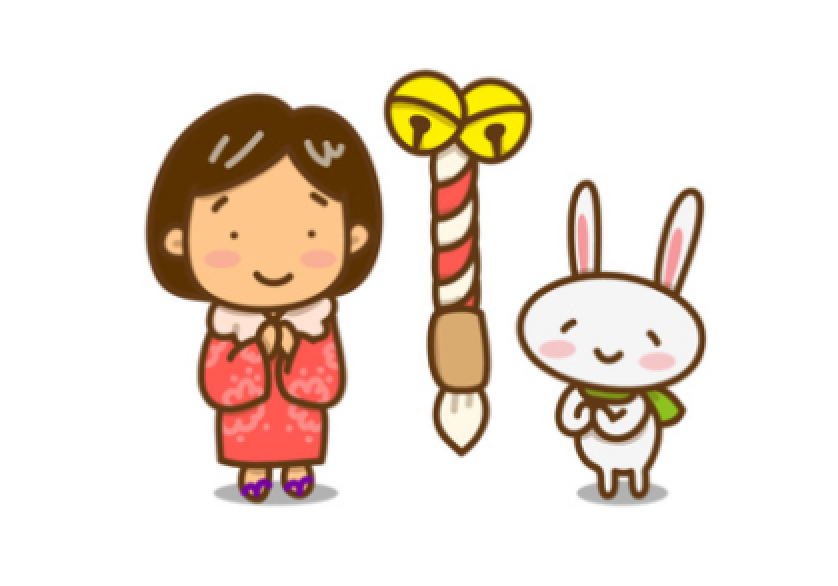
I'm sure you all know it. It's the big bell that hangs from the front of the shrine's worship hall along with a woven rope, and rings when you swing the rope when praying.
The bells at the shrine in your neighborhood probably ring "gara, gara" or "jala, jala," but the bells at this shrine ring "karan, colon."
Originally, people believed that the sound of a bell was pure and clear, and had the power to purify the mind and body and ward off evil.
The bells at Shinryu Shrine in this town are known as "Dragon Bells." They have a special, pure sound that soaks into the soul and have long been beloved by local people.
It was autumn, more than fifty years ago. As usual, elementary school students were playing hide-and-seek in the shrine grounds. Yamada Hideki, playing the role of the demon,
"Dr., I found it!"
When he shouted, Noda Hiroshi, who was known for his knowledge and was called "Hakase" by everyone, came out looking uncomfortable. Hideki rang the shrine bell to let everyone know that he had caught him.
Usually, it would make a "clang, clang" sound no matter who shook it, but
"Taran, melon."
I couldn't believe my ears, so I shook it again and asked everyone to listen, but still,
"Taran, melon."
Everyone was puzzled, stopped playing hide-and-seek, and became lost in thought.
Then Hiroshi came up with a brilliant idea.
"There aren't enough Taran. Isn't melon the fruit melon? It means there isn't enough melon. What do you think?"
"What does that mean?"
"Since it was Hideki, do you have any idea what it was?"
Immediately, Hideki smiled and nodded his head twice.
"Yes, yes. It's very true. This is a message from God. I'll tell my father!"
Putting his hands together at the shrine and the Dragon Bell, Hideki said, "This is about the future of our family," and with a bit of pride, he explained to everyone about the discussion he had had with his parents the night before.
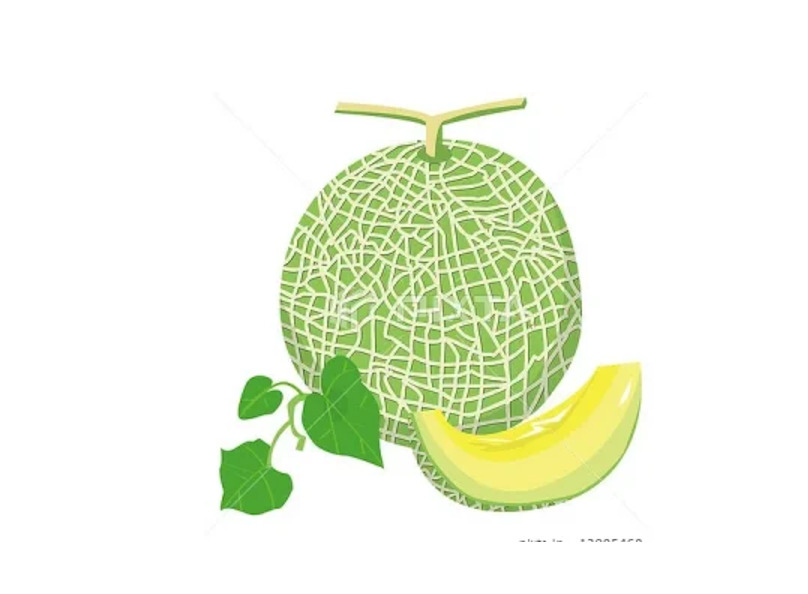
Hideki's father, Yamada Hideo, is said to have stressed that "in the future, agriculture will no longer be able to survive on rice farming alone, and will have to change to include field crops as well. And the important thing is what to grow in the fields. Melons are the most likely candidate."
Then, thinking about his own future, Hideki looked up at the sky and muttered the words his father had told him: "The joys of life." Everyone listened in awe.
"Melon is so delicious!"
Hiro said, nodding vigorously.
Hideki took off running. He ran and ran. To the rice fields where his father worked.
Then, I returned to the shrine with my father, saying, "Just come!"
Every day, people would stop by the shrine on the outskirts of the city on their way to and from work and ring the "Dragon Bell." The sound of the bell has helped to soothe people's mental fatigue.
When the two arrived at the shrine, an old man from another place was there, swinging a rope made of bells.
"Clang, colon"
The bells were ringing as usual.
"Dad, I'll swing, so listen to me."
Hideki rang first.
"Taran, melon."
It was definitely different. Curious, the father tried swinging the rope himself.
"Taran, melon."
Just to be sure, Dad rang it again.
"Taran, melon."
"Dad, can you tell something's different?"
"There aren't enough melons. There's a melon shortage, so I hear you're saying we need to make more melons."
"That's right. I heard about the melon cultivation last night, so I immediately let you know."
The father took this sound as a strong encouragement from the dragon enshrined at Shinryu Shrine, and decided to grow melons.
After that, Hideki cooperated with his father and produced a high-quality green-fleshed melon that was praised as the finest, bringing joy to many people. The town history records his father as the "creator of high-quality melons."
What kind of sound are shrine bells making right now? In fact, no matter who rings them, they only ring a low bell that says "Iran, Corona"!
Commentary
The bells at the shrine ring "Taran, melon." So Hideki advises his father to produce melons. Hideki's father grows high-quality melons, which people love. The punchline is amusing: the bells at the shrine now ring "Iran, Corona."
Senshi: A collection of fairy tales from the public guide
First printing published on December 20, 2020
65 readers of the Public Guide contributed their works to create this collection. Please enjoy the thousands of thoughts that went into these fairy tales. (Public Guide Editorial Department)
- author65 public guide readers
- PublisherKunihiro Asada
- EditorKaori Sawada and Kiyoshi Kuroda
- issueKobo Guide Co., Ltd.
1-8-21-5F Shiba Koen, Minato-ku, Tokyo 105-0011
Phone 03-5405-2170
https://www.koubo.co.jp - cooperationChie Okada
- bindingNaomi Yasuda
© Kobo Guide Co., Ltd. 2020 Not for sale
This book is a collection of fairy tales submitted by 65 readers of the public guide.
Related articles